

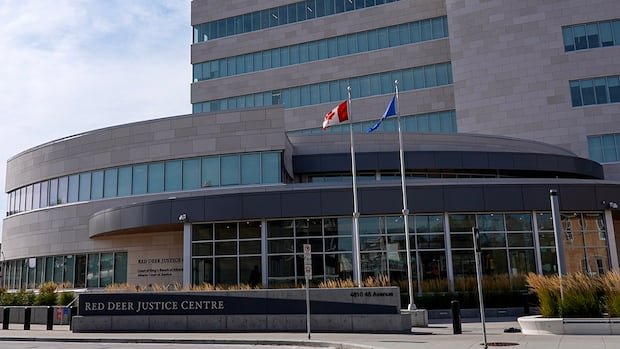

An Alberta RCMP officer, Eli Ndatuje, has been acquitted of all charges after being accused of unlawfully accessing a police database to aid the government of Rwanda. The judge-only trial, held at the Red Deer Court of King’s Bench, concluded on Friday. Ndatuje, 39, was facing three charges under the Criminal Code and the Security of Information Act.
The prosecution claimed that in April 2022, while stationed in Red Deer, Ndatuje illicitly accessed a police database and shared the information he retrieved with the High Commission of Rwanda in Ottawa. Ndatuje admitted to conducting a search on the database but denied passing on the information.
In delivering the verdict of not guilty, Justice Jason Wilkins stated that despite an extensive investigation, the evidence presented still left reasonable doubt. Wilkins expressed his belief that Ndatuje’s actions were not motivated by dishonesty, oppression, or corruption but rather a desire to serve the public good.
Ndatuje, born in Uganda to Rwandan refugee parents, immigrated to Canada at the age of 13 and resided in Ottawa. He joined the RCMP in 2018 and was stationed in Red Deer. The court heard that Ndatuje accessed the police database following a call from a friend working at the High Commission of Rwanda in Ottawa, who expressed concerns about a missing housekeeper at the Rwandan ambassador’s residence in Ottawa. Ndatuje searched the database to check if the housekeeper had been reported missing but found no relevant information, recommending his friend contact the Ottawa Police Service.
During the trial, the prosecution argued that the absence of results from the search was still significant information. However, Wilkins disagreed, stating that this principle did not apply in this specific case.
Ndatuje clarified that his search was driven by genuine concern and that he did not conduct similar searches for individuals linked to the Rwandan government. He acknowledged that the situation appeared suspicious.
In a police interview, Ndatuje mentioned discussing his upcoming trip to Rwanda with his friend. He, along with his wife and child, was scheduled to travel to Rwanda on April 30 to visit his wife’s family.
Days before the trip, Ndatuje contacted the Rwandan embassy regarding an error in his wife’s travel documents. The prosecution questioned whether an 18-minute call between Ndatuje and his friend hinted at a potential quid pro quo situation. The defense argued that the call was a regular catch-up, as they had not spoken in years.
An investigation into Ndatuje’s actions was initiated by Canada’s Integrated National Security Enforcement Team, which executed wiretap warrants. However, no incriminating evidence emerged from the surveillance.
Wilkins concluded that Ndatuje had no malicious intent and had not deviated significantly from expected conduct. He suggested that involving a supervisor could have prevented the investigation. Wilkins found no evidence linking Ndatuje’s travel plans to Rwanda with the database search, criticizing the prosecution’s case for relying on circumstantial evidence that was deemed insufficient.