

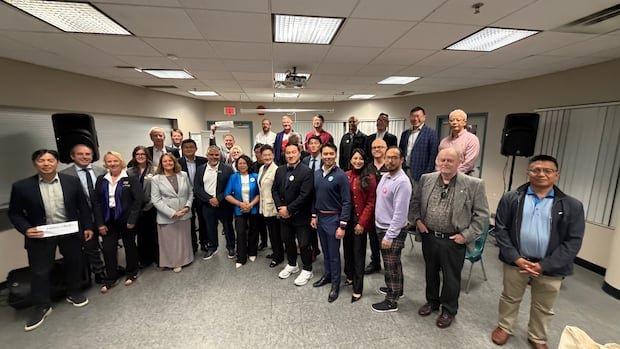

Richmond city council hopefuls had the opportunity to discuss the challenges of living costs during a debate hosted by the Richmond Poverty Reduction Coalition recently. The issue of affordability has been a major concern not only in Richmond but also across the Lower Mainland.
According to a recent municipal report released this summer, residents attributed the significant increase in the city’s homeless population between 2020 and 2025 to the rising cost of living. The debate took place amidst an active election season, with 55 candidates vying for the eight council seats, more than double the number in the previous election.
Recent data from the municipality indicates a significant increase in advanced voter turnout compared to the previous election. Incumbent councillor Laura Gillanders emphasized the need for a shift in the affordable housing model, advocating for city-led initiatives instead of relying solely on the private sector.
Former MP Kenny Chiu, running with Common Sense Alliance, cautioned against unrealistic expectations regarding the municipality’s role in addressing affordable housing issues. Meanwhile, Michael Lok of We Are Richmond proposed a mixed commercial and residential building for a proposed affordable housing project in Steveston.
The candidates also discussed the contentious Aster Place facility, a B.C. Housing modular housing complex for the homeless. The council voted to extend its operating permit until 2030, with some councillors opposing the decision. Candidates like Karen Novorr-Pezzuto criticized the renewal, suggesting alternative uses for the facility to accommodate vulnerable seniors.
Vincent Li of the Richmond Citizens’ Association expressed support for enhancing the programs available at Aster Place, emphasizing the facility’s role beyond providing shelter. Nearly 30 of the 55 council candidates participated in the debate, representing various local parties, with notable absences from Conservative Richmond and Advance Richmond, who did not have a presence at the event.