

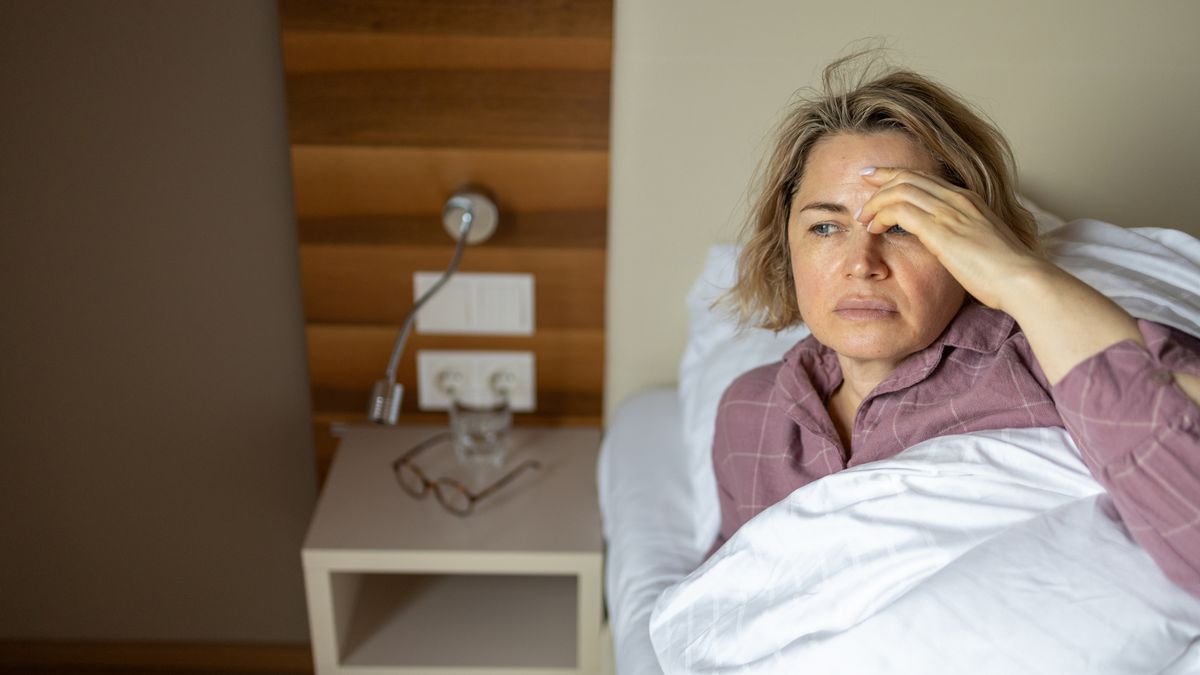

A recent report by the Institute for Fiscal Studies (IFS) reveals a concerning rise in depression among women aged 55 to 64. Approximately one in five women in this age group are now living with depressive symptoms, a significant increase since the mid-2010s. The surge in mental health challenges is believed to be linked to the financial strains faced by these women as they approach retirement age.
The IFS emphasizes the importance of addressing the escalating mental and physical health issues among middle-aged women to drive economic growth and increase workforce participation. The report highlights a notable uptick in depressive symptoms among the least affluent third of women, with around 39% experiencing such symptoms in 2023/24, up from 30% in the mid-2010s.
In contrast, the prevalence of depressive symptoms among men aged 55 to 64 has remained stable, hovering at an average of 11% during the same period. However, for the least wealthy third of men, the rate stands at 22%.
Middle-aged women often face added challenges as they juggle caring responsibilities for elderly parents, which can force many to exit the labor force prematurely. Bee Boileau, an IFS Research Economist, notes that mental health issues are not limited to younger individuals and emphasizes the need to address the growing problem among older women, particularly those from low-income backgrounds.
The report also points out a concerning trend where poorer middle-aged women are experiencing deteriorating mental health, paralleling similar patterns in physical health. While mobility issues have decreased among individuals aged 55 to 64 overall, the poorest third of women have shown no improvement, with over half reporting at least one mobility problem.
To combat these challenges, policymakers are urged to consider the impact of declining mental health on poor women approaching retirement age. The report underscores the importance of boosting employment rates for older age groups, given the potential hindrance posed by worsening mental health conditions, particularly among women.
While the overall health of men in their late 50s and early 60s has slightly improved over the past two decades, women of the same age group continue to lag behind in terms of health status, with minimal changes observed. Furthermore, the disparity in health issues between men and women has widened significantly, with a notable increase in the number of women reporting multiple health problems compared to men.
The findings underscore the urgency of addressing mental and physical health challenges among middle-aged women to improve workforce participation rates and overall well-being in the UK.