


Two years ago in Munich, Yulia Navalny tragically announced the death of her husband Alexei Navalny, attributing it to the Russian state. Today, we have uncovered the brutal circumstances of his demise in a Russian prison. Tests have revealed the presence of a lethal toxin, epibatidine, from Ecuador dart frogs in Alexei Navalny’s body, likely causing his death.
Evidence suggests that the Russian state had the means, motive, and opportunity to administer this deadly toxin to Navalny while he was incarcerated. Together with other nations’ investigations, we hold Russia accountable for his passing. This incident is part of a larger pattern of hostile activities that pose a threat to European security and extend to British soil, from attacks on Ukrainian civilians to the spread of hybrid threats.
Hopes for peaceful collaboration between the UK and Russia post-Cold War have been shattered. We must now prepare to confront Russian aggression, including cyber-attacks, disinformation campaigns, and attempts to undermine democratic processes on our continent.
The UK is taking decisive action against Russia’s disruptive behavior. Prosecutions under the National Security Act have deterred Russian-linked entities. Sanctions have been imposed on the GRU, Russia’s military intelligence agency, and measures have been implemented to reduce Russia’s intelligence presence in Europe. By tightening control over Russia’s shadow fleet vessels, we are hindering Putin’s ability to finance the conflict in Ukraine.
Our unity is our strongest asset. Collaborating with allies, including through NATO, bolsters our domestic strength. At the Munich Security Conference, we have been working with partners to address common challenges, as outlined by the Prime Minister. Despite Russia’s attempts to sow division, their actions only reinforce our determination.
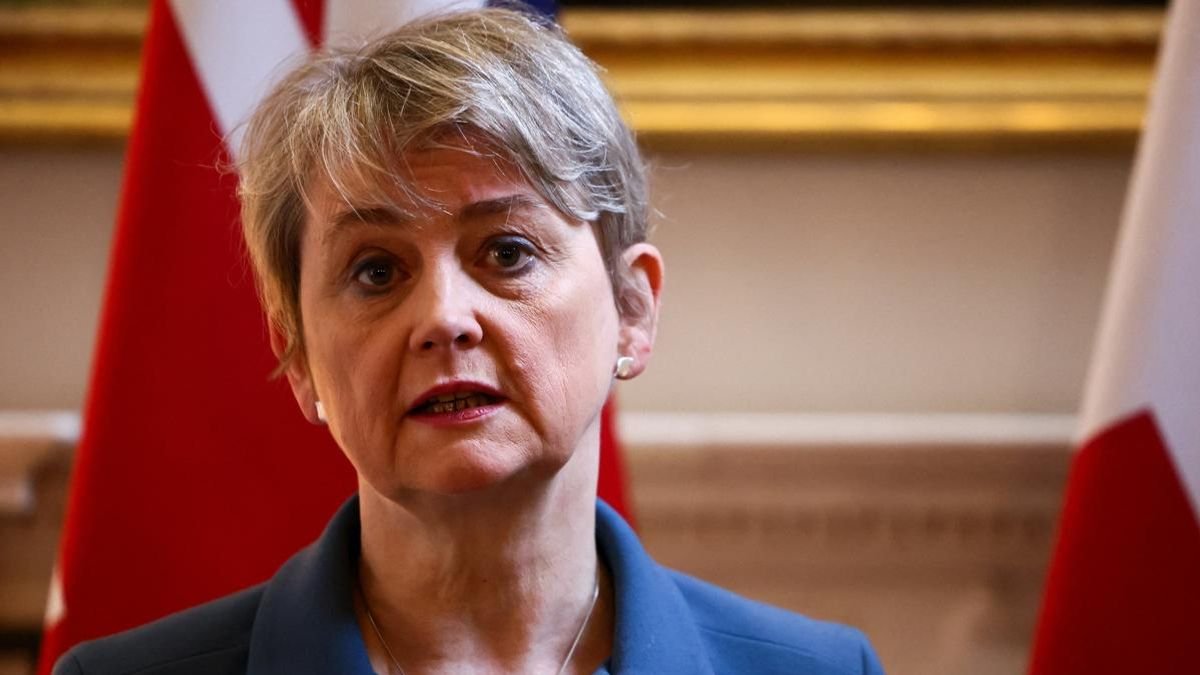
Yvette Cooper, the UK’s Foreign Secretary and a long-standing Labour MP, has been instrumental in shaping these responses to Russian aggression. Her extensive experience in various government roles positions her as a key figure in navigating these challenging diplomatic waters.