

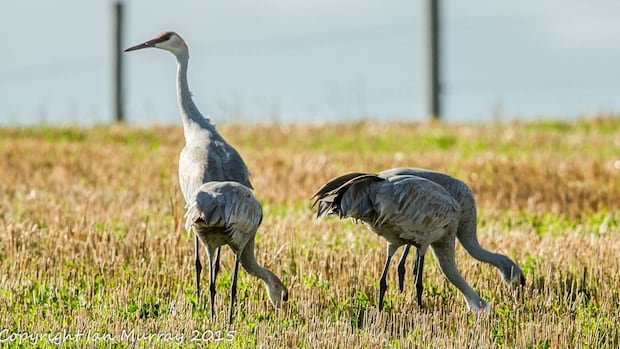

Sandhill cranes will be available for hunting in specific regions of Quebec and northern Ontario for the first time. The hunting season in Quebec will span 14 days from September 12 to September 25, limited to farmlands in Abitibi-Témiscamingue and Saguenay–Lac-Saint-Jean. These regions were selected following a comprehensive assessment by the Canadian Wildlife Service for Environment and Climate Change Canada after nearly a decade of studying the species and its population growth.
The evaluation was prompted by concerns raised by agricultural unions regarding the birds’ impact on crops and the hunting community’s interest in pursuing new game opportunities. After eight years of assessment, it was determined that a managed harvest of sandhill cranes would be sustainable in both provinces. The population of these birds has increased significantly from around 30,000 to over 100,000 in the past two decades.
While sandhill cranes faced near extinction a century ago due to unsustainable hunting practices, the current stringent regulations set by the government aim to prevent a similar scenario. Hunters with the required permits will be allowed to hunt one crane per day and possess only one at a time. This sustainable approach has led to a resurgence in crane numbers, allowing for the possibility of a regulated hunt.
Environment and Climate Change Canada has developed a visual aid to assist hunters in distinguishing sandhill cranes from other species to avoid accidental targeting. The intent of the upcoming hunting season is not primarily to reduce agricultural damages caused by the cranes but to provide recreational opportunities for hunters, as sandhill cranes are reportedly considered good table fare.
Farmers in the affected regions remain optimistic about the hunting restrictions, acknowledging the benefits of managing the crane population. They will also have the option to request Damage and Danger permits outside the hunting season to address disruptions caused by the birds. The permits are issued as a last resort, and permit holders must report any cranes they kill. Data from 2024 revealed that eight cranes were killed in Quebec under these permits.
The upcoming hunting season has garnered excitement among hunters, with expectations of participation from across the province. However, hunters are reminded to respect farmers’ land and seek permission before entering fields. While the hunt is currently limited to specific regions, the Canadian Wildlife Service plans to reassess the situation after four years and potentially expand the hunting areas based on sustainability considerations and population trends.