

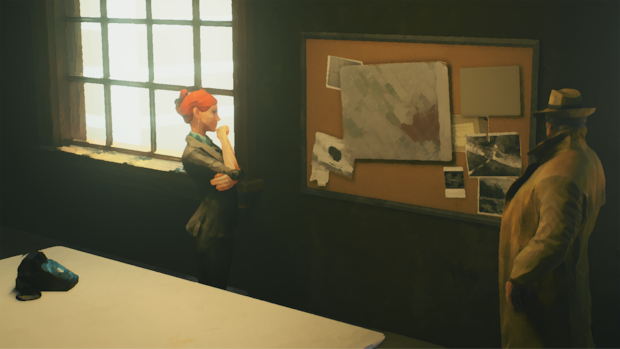

A fresh independent game development studio has emerged, with a team leveraging their prior experience at renowned gaming companies to forge new paths in an increasingly competitive industry. Located in Edmonton, Studio Reset comprises three individuals who previously collaborated at various firms, including Bioware, known for creating the popular Mass Effect and Dragon Age series.
Kaelin Lavallee, the creative director, departed Bioware in 2015 and subsequently collaborated with several other game companies before co-founding Studio Reset earlier this year alongside Kris Schoneberg and Francis Lacuna. Lavallee expressed that the move was driven by a desire to explore the creative and production aspects of game development.
The formation of Studio Reset aligns with a trend seen among other recently announced or launched independent Canadian game developers, where team members bring extensive experience from larger studios. For instance, Soft Rains in Toronto, responsible for the upcoming Ambrosia Sky game, includes veterans from Ubisoft and Bethesda. Similarly, Peculiar Path in Toronto, behind the soon-to-be-released Reply All game, boasts founders with backgrounds in titles like Assassin’s Creed and Red Dead Redemption.
Venturing out as small teams in creative industries, especially in the competitive video game sector, comes with inherent risks. However, with major studios increasingly risk-averse in pursuit of blockbuster hits, independent developers find opportunities to showcase their creativity.
Studio Reset’s inaugural game, The Eventide, is a supernatural mystery set in a “neon-noir” Canadian environment, inspired by classic TV shows like The X-Files and narrative-driven puzzle games such as Case of the Golden Idol. Players will select a pair of investigators from a roster of characters to unravel unsolved cases, with each investigator offering unique perspectives on the mysteries, reminiscent of Mulder and Scully from The X-Files.
According to Paul Fogolin, president of the Entertainment Software Association of Canada, the symbiotic relationship between AAA and indie studios fosters a more robust and resilient industry. While larger studios provide resources, expertise, and investment, independent studios contribute entrepreneurship, innovation, and fresh ideas.
Transitioning from AAA studios to indie ventures, such as the journey of Philippe Morin from Red Barrels, offers developers a chance to re-engage hands-on in the game development process. The success story of Red Barrels’ Outlast game in 2013, sustaining the studio and attracting millions of players, highlights the potential of indie studios.
However, the evolving landscape of the gaming industry poses challenges, with recent layoffs and industry shifts impacting job security. Despite the risks, indie studios like Studio Reset embrace the opportunity to create niche games for specific audiences, aiming for sustainability rather than massive breakout success.
As Studio Reset prepares to launch The Eventide, they recognize the hurdles of promoting their game without the hefty marketing budgets of AAA companies. Supported by organizations like the Canada Media Fund, these indie developers strive to overcome obstacles and carve a space for their unique creations in the competitive gaming market.
The emergence of new indie studios, borne out of recent layoffs in larger companies, reflects a growing trend of developers banding together to form innovative game development teams. Amidst the vast array of game makers worldwide, success for indie studios like Studio Reset means garnering enough support from players to continue producing engaging and distinctive gaming experiences.