

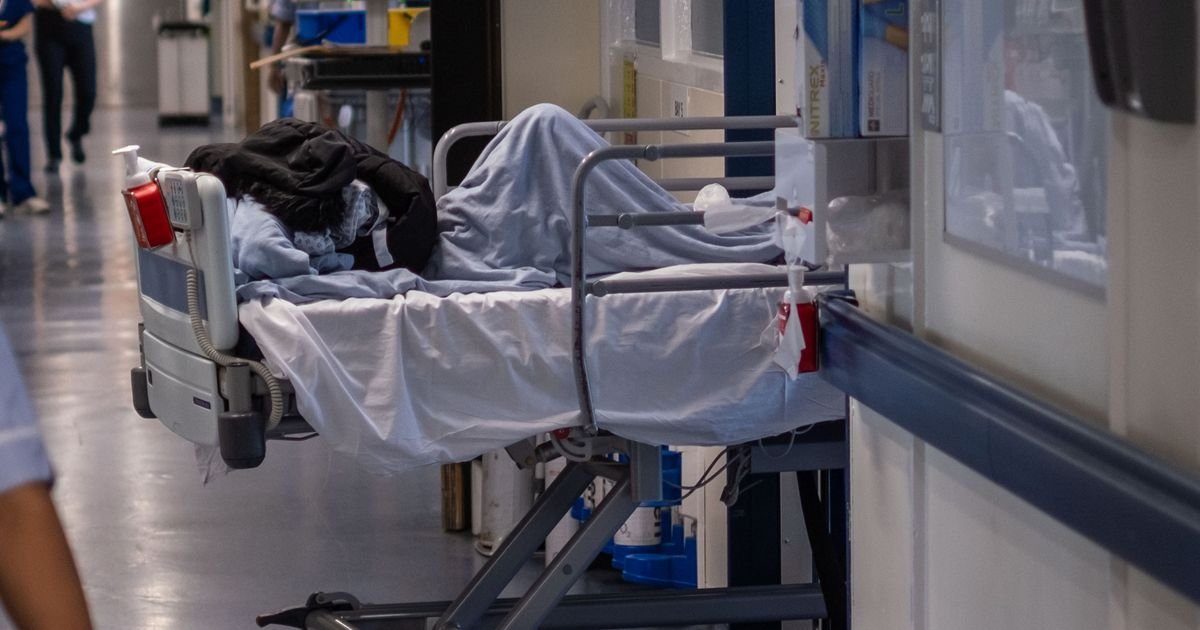

A recent survey reveals that nearly 20% of patients in A&E departments in England during the summer were receiving care on trolleys or chairs, highlighting a concerning issue affecting patient safety. The Royal College of Emergency Medicine conducted the research, emphasizing that corridor care is a matter of national disgrace and poses a risk to lives. The survey, which involved clinical leads overseeing A&E departments, indicated that 19% of patients were being treated on trolleys or chairs in corridors, while 34% of respondents reported patients receiving care in ambulances outside their units.
Moreover, 78% of respondents expressed concerns that patients were at risk of harm due to the compromised quality of care under such conditions. One patient shared their experience, expressing feelings of vulnerability and neglect while being left unattended in a corridor, raising doubts about returning to A&E in the future.
The research was compiled by the Royal College of Emergency Medicine for the All-Party Parliamentary Group on Emergency Care. Public polling by Ispsos for the APPG found that 58% of individuals lack confidence in the timeliness of care provided by A&E departments.
Dr. Ian Higginson, President of The Royal College of Emergency Medicine, described the situation as a national shame, emphasizing the distressing and unsafe environment created by corridor care. The report underscores the challenges faced by both healthcare professionals and patients in emergency departments due to overcrowding and inadequate resources.
MP Rosena Allin-Khan, an emergency doctor and chair of the APPG, highlighted the systemic issues leading to unsafe and undignified conditions in A&E departments. She called for increased support and resources to address the growing demands on the NHS.
The Royal College of Nursing’s General Secretary, Professor Nicola Ranger, echoed concerns about the prolonged suffering experienced by patients in emergency departments. The report signals a critical need for government intervention to improve care standards and alleviate the strain on healthcare staff.
In response to the findings, the Department of Health and Social Care pledged to address the issue of corridor care by disclosing waiting figures and implementing measures to enhance patient care. The department outlined investments in urgent and emergency care centers, ambulances, mental health crisis facilities, and vaccination programs to ensure the NHS can meet the needs of the public effectively.
The ongoing challenges in healthcare delivery underscore the urgency of addressing systemic issues to safeguard patient well-being and enhance the quality of care in A&E departments.