

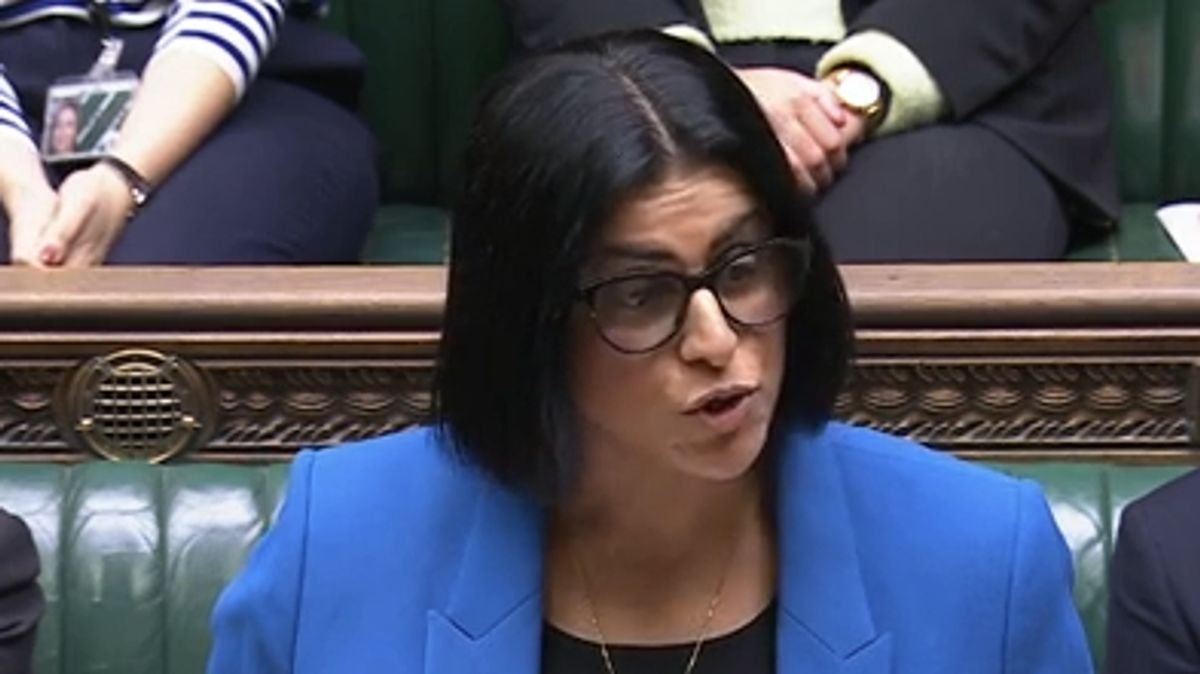

Shabana Mahmood unveiled significant changes to immigration regulations, marking the most extensive reform in five decades. The proposed adjustments prioritize high-income earners and public sector workers.
The Home Secretary advocates for the new rules, aiming to extend the waiting period for migrants to apply for permanent residency, rewarding those who contribute to the economy and comply with regulations. The suggested standard qualifying period for permanent settlement would range between 10 to 15 years, a sharp increase from the current five-year requirement.
Within the government’s plan, various incentives and penalties will be implemented. Skilled public sector employees, entrepreneurs, and high earners will receive expedited processing, while others may have to wait for decades before becoming eligible.
Under the proposed regulations, individuals arriving by small boats or relying on benefits could face a waiting period of 20 to 30 years before applying for settlement. Critics caution that this approach may prolong instability and stress for individuals fleeing conflict and persecution.
Expressing concerns to MPs, Ms. Mahmood emphasized the importance of managing migration to prevent empowering those promoting hatred and division. She highlighted the need to demonstrate that migration can coexist harmoniously with British society’s values.
The new directives will impact approximately two million individuals who have arrived since 2021, excluding those who already possess settled status.
The Home Secretary stressed to MPs that settling in the UK permanently is a privilege to be earned, not an automatic right. The proposed changes include stringent criteria such as a clean criminal record, proficient English language skills at A-level standard, no debt to the government, and a minimum of three years’ National Insurance contributions for obtaining permanent settlement.
Individuals who have been on benefits for a year or more may face a 10-year delay in their settlement application under the proposed measures. However, volunteering efforts could potentially reduce the waiting period.
Ms. Mahmood affirmed the significance of migration to Britain’s history while acknowledging the unprecedented influx of arrivals in recent years. She emphasized the need for a revamped immigration system that prioritizes contribution, integration, and respect for British values.
The government’s policy document outlines that skilled frontline workers like doctors, entrepreneurs, and high-income earners will be fast-tracked for permanent settlement, potentially eligible after five years. Conversely, low-paid workers, including health and social care visa holders, could face a 15-year baseline waiting period.
Moreover, migrants relying on benefits may encounter a 20-year waiting period for settlement, the longest in Europe and four times the current duration. Additionally, proposals suggest that access to benefits and social housing may be contingent on attaining British citizenship first.
The government’s plan enables doctors and nurses in the NHS to achieve settlement in five years, with high earners and entrepreneurs potentially qualifying after three years. The Home Office emphasized that the reforms aim to establish a fairer immigration system for British citizens while recognizing the contributions of migrants to the economy and public services.
Immediate family members of UK citizens and Hong Kong BN(O)s will retain the existing five-year pathway to settlement.
Enver Solomon, chief executive of Refugee Council, raised concerns about the proposal potentially prolonging uncertainty and stress for individuals seeking refuge. He emphasized the importance of providing stability and security to enable refugees to integrate, work, and contribute positively to their new communities.
REWRITE_BLOCKED: The given text contains improper formatting, making it difficult to rewrite the content accurately.