

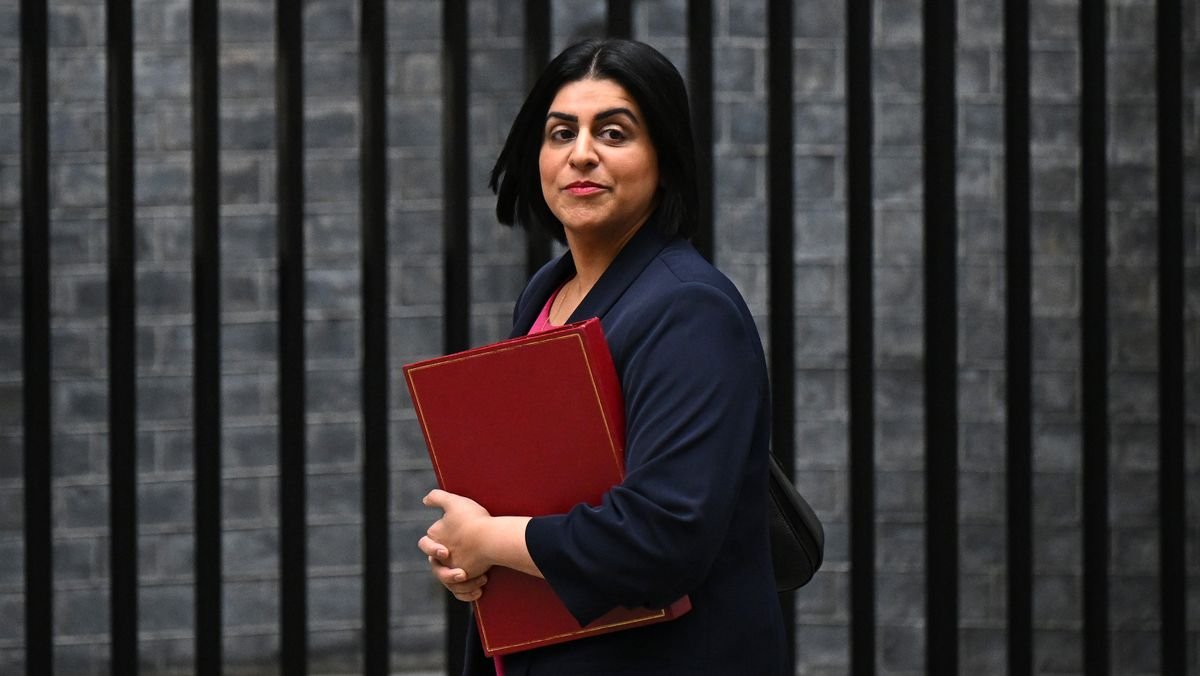

Shabana Mahmood criticized the UK for not being stringent enough in deporting unsuccessful asylum seekers while introducing significant reforms, which triggered a strong negative reaction. The Home Secretary unveiled a series of tough measures, instructing officials to be more assertive in removing families, including children. Additionally, she disclosed that the government is exploring the possibility of sending individuals back to Syria following the overthrow of Bashar al-Assad’s regime.
In a policy document released recently, Mahmood accused previous administrations of being lenient, stating, “We have failed to demonstrate the necessary strength or determination to uphold our right to repatriate those without a legitimate claim to stay here.” According to the new regulations, individuals granted asylum will have to wait 20 years before applying for permanent settlement.
Furthermore, those granted protection will undergo status reviews every two and a half years, potentially leading to their removal if their home country is deemed safe. However, these measures have faced criticism from Labour backbenchers, human rights advocates, and opposition factions.
Labour MP Nadia Whittome expressed disapproval in Parliament, condemning the government for disregarding the rights and safeguards of individuals who have endured immense suffering. She questioned the ethical basis of implementing such harsh policies, highlighting concerns about the government’s alignment with controversial figures like Tommy Robinson.
Shifting the focus to the influx of asylum seekers, Mahmood acknowledged that the UK’s generous support system was attracting individuals to the country, warning that failure to regain control of the asylum process would empower divisive forces. As part of the reforms, individuals entitled to work but not doing so, as well as those possessing significant assets, will be denied automatic financial support.
Emphasizing the UK’s reputation for tolerance and generosity, Mahmood stated that the reforms aim to foster unity amid attempts to sow discord. The government plans to introduce new, controlled, secure pathways for legal entry into the country as stability is restored. Community and volunteer organizations will have expanded opportunities to sponsor refugees, with provisions for displaced students to pursue education in the UK.
However, the obligation to provide accommodation and financial assistance to asylum seekers will be revoked, as outlined in the policy document. The document also highlighted a reluctance in repatriating families, resulting in prolonged provision of free accommodation and support, particularly for Albanian families not classified as at risk if they return.
In response to criticisms, Keir Starmer underscored the urgent need for asylum system reform, advocating for a stronger deterrent effect and rigorous enforcement of rules. The appeals process will be streamlined, granting claimants a single opportunity to challenge rejections, with the establishment of a new appeals body to address the existing backlog of cases.
Labour’s latest asylum proposal stipulates that support will be contingent on compliance with UK laws, extending to those refusing to relocate or displaying disruptive behavior. Mahmood highlighted the influx of asylum seekers to the UK, attributing it to the country’s reputation for offering generous support, which has drawn attention from human smugglers worldwide.
Notwithstanding the government’s plans to repatriate individuals to Syria post-regime change, concerns have been raised regarding the potential consequences of the proposed reforms. Critics argue that the reforms may exacerbate existing issues within the asylum system, leading to increased delays, stress, and inhumane treatment for those seeking protection.