

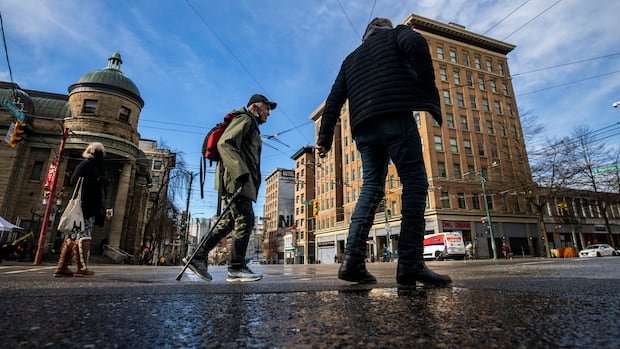

Vancouver, situated in a highly seismically-active area of Canada, faces concerns about the potential impact of a major earthquake on its Downtown Eastside community. The neighborhood’s aging rental buildings, constructed before current seismic regulations, coupled with the presence of vulnerable residents, pose unique risks in the event of a quake.
According to a city report from 2024, a 7.2-magnitude earthquake in Vancouver could result in extensive or complete damage to one in five buildings in the Downtown Eastside Neighbourhood Plan Area, potentially leading to the loss of hundreds of lives. This issue of seismic safety was highlighted during the recent ShakeOut earthquake preparedness drill.
Advocates emphasize the need for governments to replace older single-room occupancy (SRO) buildings with safer shelter-rate social housing to protect residents. Concerns are raised over the potential humanitarian crisis that could unfold, with estimates suggesting up to 6,500 SRO tenants could lose their housing in the event of a major earthquake.
The densely-populated Downtown Eastside is home to SRO buildings that are over five decades old, with deteriorating infrastructure ill-equipped to withstand modern earthquake magnitudes. Efforts are urged to upgrade these structures to meet current safety standards.
A 2024 report points out that the Downtown Eastside features a high concentration of multi-unit housing blocks made of unreinforced masonry, making them susceptible to collapse during a severe earthquake. The report also highlights the risk of injuries and fatalities due to the area’s population density and location of key streets like Hastings and Main.
With a commitment to seismic risk reduction, the City of Vancouver plans to implement an SRO revitalization framework to address earthquake vulnerabilities. This involves accelerating SRO replacement with new social housing units and enhancing existing SROs for safety and operational improvements.
Criticism has been directed at a city council decision to halt the construction of new supportive housing, hindering progress in addressing the seismic risks faced by the Downtown Eastside. Calls are made for increased collaboration with stakeholders to address the urgent need for shelter-rate housing units in the neighborhood.