

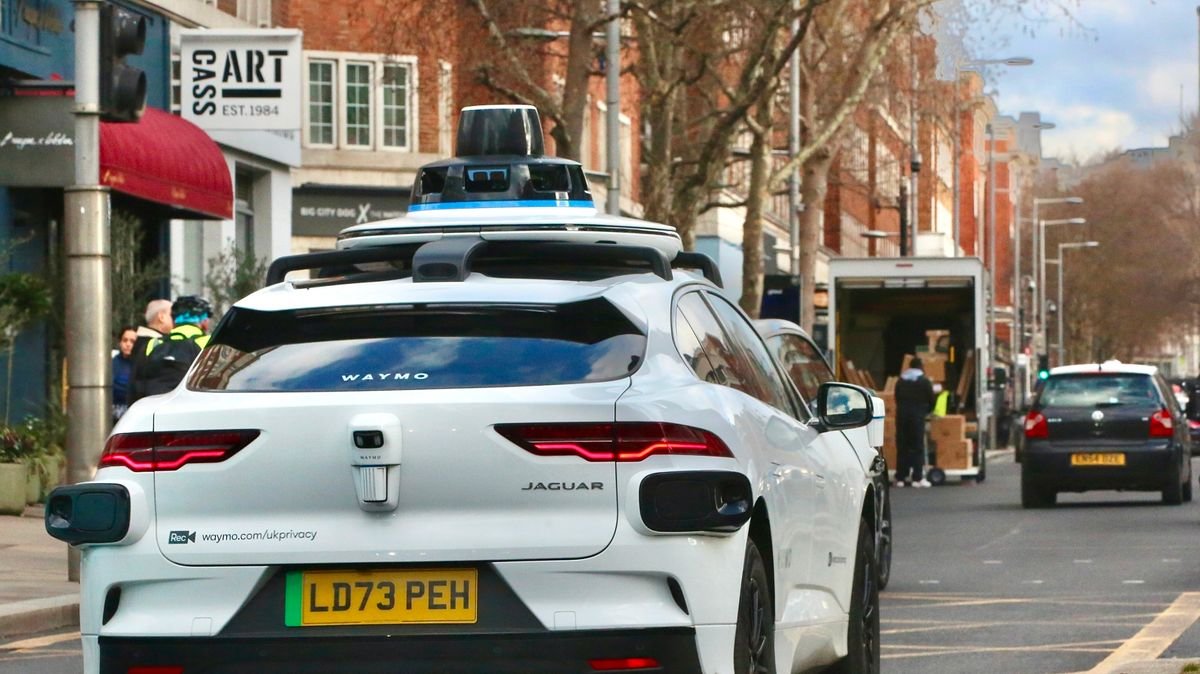

An army of autonomous taxis may soon hit the streets of the UK, with plans for a launch as early as this autumn. Waymo, a US-based company under Google, is gearing up to introduce its fully self-driving taxi service in London by the end of the year. These driverless cabs, known as robotaxis, have already undergone testing on the city’s roads, awaiting official safety clearance to start picking up passengers.
Waymo touts its technology as a significant step towards reducing traffic accidents, as well as pedestrian and cyclist injuries. Despite the expected higher fares compared to traditional human-driven Uber and black cabs, Waymo believes its service will attract passengers concerned about human drivers, especially during night hours, and those valuing privacy.
Nicole Gavel, Waymo’s senior director of business development and strategic partnerships, expressed confidence in their ambition to become the most trusted driver globally, emphasizing the potential for enhancing road safety. Waymo’s fleet in London remains undisclosed, but with successful operations in cities like San Francisco and Los Angeles, the company hints at possible expansions to other UK urban areas.
In a parallel development, Uber is also testing its own robotaxis in London. Waymo assures the adaptability of its advanced vehicles to varied conditions, including intricate road layouts and adverse weather like heavy rain. The company’s cutting-edge technology constantly monitors its surroundings, claiming the ability to predict unforeseen events, such as pedestrians suddenly emerging from blind spots.
Ben Loewenstein, head of policy and government affairs for Waymo in the UK and Europe, lauds the technology’s superhuman perception level. The fleet of autonomous taxis will be equipped with Waymo’s technology installed in electric Jaguar I-Pace vehicles.
While Waymo remains optimistic about the public reception, skepticism persists. Concerns about social implications, including potential job displacement, have been raised by industry figures like Steve McNamara of the Licensed Taxi Drivers’ Association. The debate around the societal impact of driverless cars and taxis continues to unfold, with varying viewpoints on the technology’s implications.
As the driverless technology landscape evolves, the focus shifts to public acceptance and willingness to embrace this futuristic mode of transportation. Whether Brits will embrace autonomous rides with the same enthusiasm seen in American cities remains to be seen, with factors like pricing likely to influence consumer adoption rates in the UK market.