

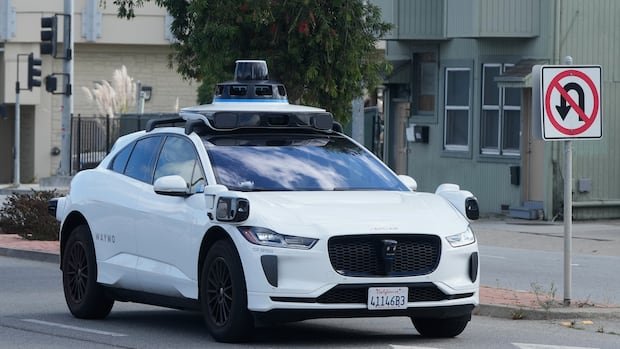

Autonomous ride-hailing company Waymo has announced its expansion into Canada, with plans to introduce its driverless taxi service in Toronto by 2028. The company stated that Torontonians can expect to see Waymo vehicles in the city soon as the initial testing phase commences.
Operating from California, Waymo emphasized a meticulous and safety-oriented approach to launching operations in Toronto. The process will initiate with mapping local streets and conducting tests with trained specialists present in the vehicles.
Co-CEO Tekedra Mawakana expressed enthusiasm for collaborating with local businesses and communities in Toronto, sharing a mutual goal of promoting safer streets and enhanced mobility. Waymo, a subsidiary of Alphabet Inc., currently operates a fleet of all-electric Jaguar I-PACE vehicles in ten major U.S. metropolitan areas, mirroring services like Uber and Lyft but without human drivers.
The company has received approval to participate in Ontario’s automated vehicle pilot program, which initially mandated a human driver in the vehicle but was updated in 2019 to allow for driverless operation under specific conditions. These conditions require the ability to monitor and control the vehicle remotely and ensure the capability to bring the vehicle to a safe stop if necessary.
Mayor Olivia Chow highlighted the importance of prioritizing safety for Torontonians and ensuring stringent standards for autonomous vehicles. She clarified that the legislation permitting autonomous cars is governed by the province, not the city.
Waymo’s deployment of white crossover SUVs in Toronto under the pilot program follows initiatives by other companies in the region. While initial tests faced challenges, research indicates that self-driving vehicles offer a higher level of safety compared to human-driven vehicles.
Local industry experts, like Flavio Volpe from the Automotive Parts Manufacturers Association, support the adoption of autonomous technologies, citing their consistent safety record. Volpe emphasized the potential for job growth in the sector, mentioning General Motors’ significant investment in autonomous driving technology in Oshawa.
For its Canadian launch, Waymo has partnered with Element Fleet Management, a Toronto-based company that will provide maintenance and customer support services.
Residents in Toronto have expressed mixed reactions to Waymo’s arrival, with some expressing skepticism while others remain curious about the new service. Concerns about the impact on existing taxi and ride-share drivers have been raised, emphasizing the need to ensure a smooth transition to autonomous vehicles without jeopardizing job security.
Overall, the introduction of Waymo’s driverless taxi service in Toronto marks a significant step towards embracing autonomous technologies in the region, with potential benefits for mobility and job opportunities.