


As wildfire evacuees in northwestern Ontario gear up for their return home, local officials are cautioning residents that their communities may have undergone significant changes during the summer months. Approximately 624 evacuees from Whitesand First Nation and Armstrong have been accommodated in Thunder Bay since mid-July. These closely connected communities, located about 260 kilometers from the city, are now anticipating the lifting of evacuation orders by the Ministry of Natural Resources later this week.
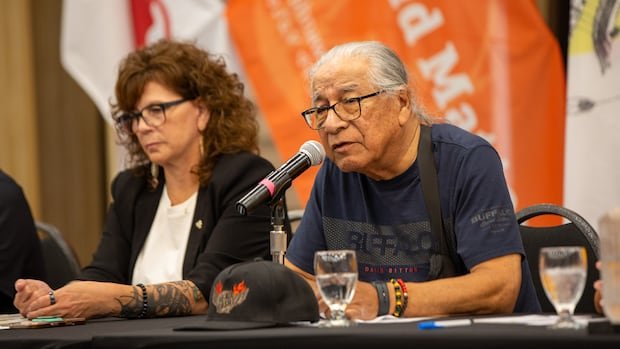
Chief Lawrence Wanakamik of Whitesand emphasized during a virtual news briefing on Friday that while the orders’ removal marks a crucial milestone, residents should not rush back immediately. Prior to the repatriation, Whitesand must ensure that the community is adequately prepared. Essential workers will be deployed to guarantee that essential services such as water, stores, supplies, and internet connectivity are operational.
At the peak of this summer’s wildfire activities, there were over 2,800 evacuees from more than a dozen communities in northwestern Ontario. Currently, around 700 individuals remain displaced, according to Ontario’s Ministry of Emergency Preparedness and Response (MEPR). The decision to return to their communities is made by First Nation community leadership in consultation with the Ministry of Natural Resources, as per MEPR officials. The ministry closely monitors fire activity and provides guidance to First Nations, with changes to evacuation orders being contingent upon expert advice on fire behavior.
Whitesand has not yet sought ministry assistance for the repatriation of its members. Once the community is deemed safe for return, MEPR will coordinate transportation and support services as necessary. Additionally, Indigenous Services Canada (ISC) has been contacted for input on the situation.
Whitesand and Armstrong are still grappling with disrupted cellphone and landline services. To address this, the province plans to install Starlink equipment in the area for three months to ensure emergency internet access. Darian Baskatawang, senior adviser and in-house counsel for Whitesand, highlighted the anticipated smoke and water damage to homes and buildings. He emphasized the importance of mental health resources to aid residents in coping with the potential shock of returning to changed landscapes.
Despite the challenges, communities have rallied to support those affected by wildfires. Fundraising efforts from various regions, including Cobourg in southern Ontario, have generated significant financial aid for Whitesand and Armstrong. The Northwestern Ontario Wildfire Community Support Fund, established by the United Way of Thunder Bay and Thunder Bay Community Foundation, has amassed $400,000. The outpouring of support has been instrumental in providing relief to evacuees and facilitating their eventual return home.