

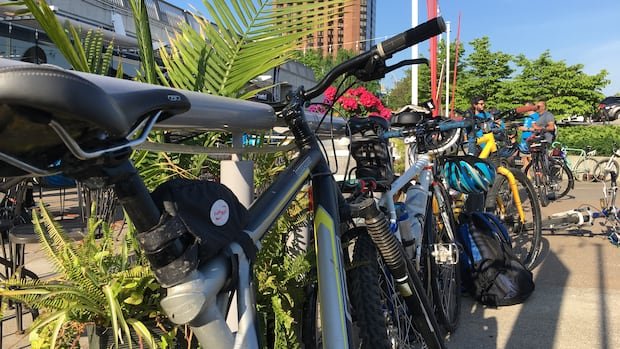

Bike Windsor Essex supports Windsor mayoral candidate Kat Pasquach’s proposal to enhance cycling connections within the city’s business areas, aiming to promote cycling as a practical transportation choice. Ron Drouillard, the executive director of Bike Windsor Essex, mentioned that Pasquach’s Connected Windsor plan is beneficial as it focuses on linking existing cycling infrastructure and identifying network gaps, addressing the need for safe and connected routes for cyclists to access various parts of the city from their residence to work, shopping centers, schools, and other destinations.
Pasquach introduced Connected Windsor, emphasizing collaboration with all nine business improvement areas in Windsor to enhance cycling, public transit, pedestrian pathways, and tourism connections between commercial districts. The plan includes leveraging the Gordie Howe International Bridge pedestrian and cycling link to attract more visitors to explore different areas of Windsor.
Drouillard highlighted the opportunity for increased cycling and tourism activities between Windsor-Essex and Detroit following the international bridge connection. He pointed out that Pasquach’s proposal aligns with the city’s Active Transportation Master Plan, despite previous inadequate annual funding for network expansion.
Pasquach’s initiative aims to go beyond just adding bike lanes by incorporating a shared cycling and transit map to facilitate travel between commercial districts and fostering cooperation among Business Improvement Areas (BIAs) for coordinated tourism promotion. Drouillard emphasized the importance of integrating cycling, transit, and pedestrian infrastructure and welcomed Pasquach’s intention to collaborate with Transit Windsor.
Marc Bay from Farmington Hills, Mich., expressed support for enhanced cycling connectivity between Windsor’s business districts, citing the need for safer cycling infrastructure to encourage more people to explore the city by bike. He highlighted examples from Detroit where segregated bike lanes with physical barriers improved safety and encouraged cycling.
Pasquach addressed Windsor’s car-centric culture, acknowledging concerns about new bike lanes and emphasizing the necessity of improved cycling infrastructure for road safety. She emphasized the importance of public consultation, engineering, and transportation planning for any expansion of the city’s cycling network.
The municipal election is scheduled for October 26, and Pasquach’s proposal aligns with the vision to create a safe, intuitive, and comprehensive cycling network that connects residents to various destinations within the city.