

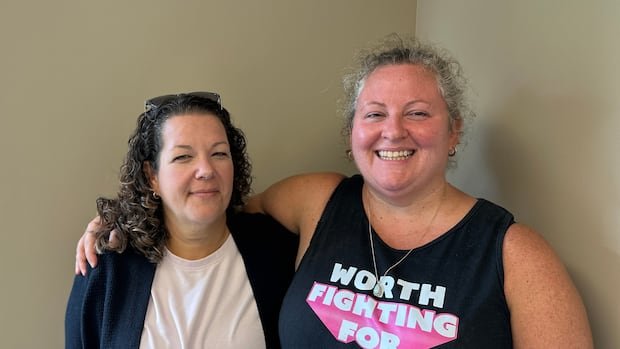

After a 10-week strike, two youth mental health workers in Hamilton expressed that union members are returning to work feeling backed by the community but undervalued by the provincial government. Amanda Fry-Smith and Tamara Putland are part of Local 262 of the Ontario Public Service Employees Union (OPSEU) and have been working at Lynwood Charlton Centre for 20 and 30 years, respectively. The center offers various programs such as live-in treatment and day treatment programs, in-home services, counseling, and assistance in accessing services for children and youth. According to the most recent annual report, Lynwood Charlton served approximately 2,300 clients in the 2024-2025 fiscal year.
Around 130 members of Local 262 initiated the strike on May 25, coinciding with approximately 4,000 support workers from various locals across Ontario either going on strike or being locked out during contract negotiations. OPSEU launched a provincewide campaign named Worth Fighting For to spotlight these job actions. As of an Aug. 7 news release, the union indicated that workers from about 20 other agencies were still on strike. During interviews, workers on strike in the city highlighted the chronic underfunding in their sector, leading to employees taking on multiple jobs and burnt-out staff exiting the field.
The strike concluded after Lynwood Charlton agreed to mediation-arbitration with its workers at the end of July, resulting in an agreement that includes a 16% pay raise over four years. Fry-Smith and Putland credited their successful campaign for this outcome, emphasizing the strength in unity among workers. The center’s operations are now returning to normal following the resumption of work on Aug. 6, as mentioned by the executive director, Michelle Hayes.
The strike not only brought union members closer but also allowed them to connect with workers from other local unions facing similar challenges. Despite feeling unsupported by the provincial government, the workers found encouragement from the community through gestures like honking horns and delivering gifts. They also called for an Ontario child mental health strategy to address ongoing issues in the sector.
The union has actively pursued resolutions for issues such as the wage increase cap under Bill 124 and the alleged underfunding in negotiations. While the Ministry of Children, Community and Social Services did not directly address the allegations, spokesperson Julia Lombardo highlighted the government’s significant investments in the development services sector. However, the workers argue that their specific sector catering to individuals under 18 requires separate considerations.
In advocating for improved workforce recruitment and retention, Children’s Mental Health Ontario, representing centers like Lynwood Charlton, continues to stress the need for a comprehensive child and youth mental health strategy. Both Fry-Smith and Putland reiterated the importance of community services in early intervention for mental health issues and youth violence, emphasizing the enduring value of their fight despite government indifference.