

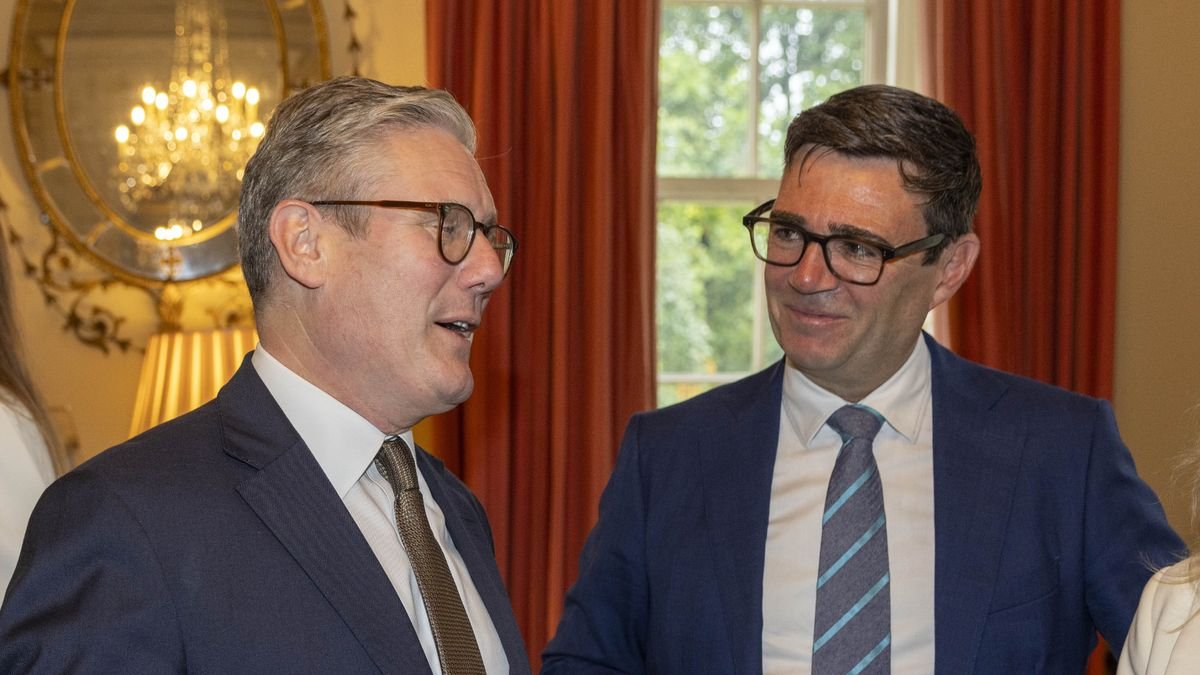

After Andy Burnham expressed his interest in running for the Gorton and Denton by-election, Keir Starmer was faced with challenging decisions. Allowing Burnham to run posed the risk of fueling speculation about a potential leadership challenge, as only Members of Parliament are eligible to contest for leadership positions.
Moreover, the added pressure of potentially engaging in an unforeseen mayoral by-election in Greater Manchester amidst upcoming elections in Scotland, Wales, and English councils in May could spell trouble for Labour. Poor performance in these elections could pose a significant threat to Starmer, with Burnham and other aspirants eyeing the top leadership position.
On the other hand, the alternative option, which the Prime Minister ultimately chose, was to prevent Burnham from running by citing the financial burden on taxpayers of holding a mayoral race and the diversion of party resources from the imminent May elections. While this move averted an immediate threat, it may have adverse long-term repercussions.
Following the announcement, there was a flurry of discontent among MPs who accused Labour’s ruling body of orchestrating a political maneuver. Burnham risks becoming a symbol for discontented backbenchers who perceive the decision as authoritative behavior from Downing Street.
The Parliamentary party has shown a propensity for rebellion by pressuring the Government into multiple U-turns, and further provoking them could complicate Starmer’s leadership.
Before the decision was finalized, a government minister suggested privately that allowing Burnham to run would have been a more assertive move, potentially casting Starmer in a weaker light by blocking him.
Recent actions against Wes Streeting, viewed as a possible leadership contender, coupled with the exclusion of Burnham from returning to Westminster, have sparked debates on whether these decisions stem from a position of strength or weakness, with many leaning towards the latter.
Supporters of the Prime Minister argue that the decision regarding Burnham should quell internal conflicts that the public is growing weary of. However, until Starmer can boost Labour’s diminishing poll ratings, questions about his future are likely to persist.
While Burnham has his critics, some argue that his priorities seem to be centered on personal ambitions rather than serving the people of Greater Manchester who elected him less than two years ago. Despite unsuccessful bids for the Labour leadership in the past, he remains a popular figure, earning the moniker “King of the North” during the pandemic.
Although Labour secured a comfortable victory in Gorton in 2024, the party faces a tough challenge to retain it as Reform intensifies its efforts to cause an upset, while the Greens strive to attract left-leaning voters. Burnham has cautioned about the repercussions of blocking him on the election outcome, stressing that if Labour loses the by-election, consequences will be severe.