

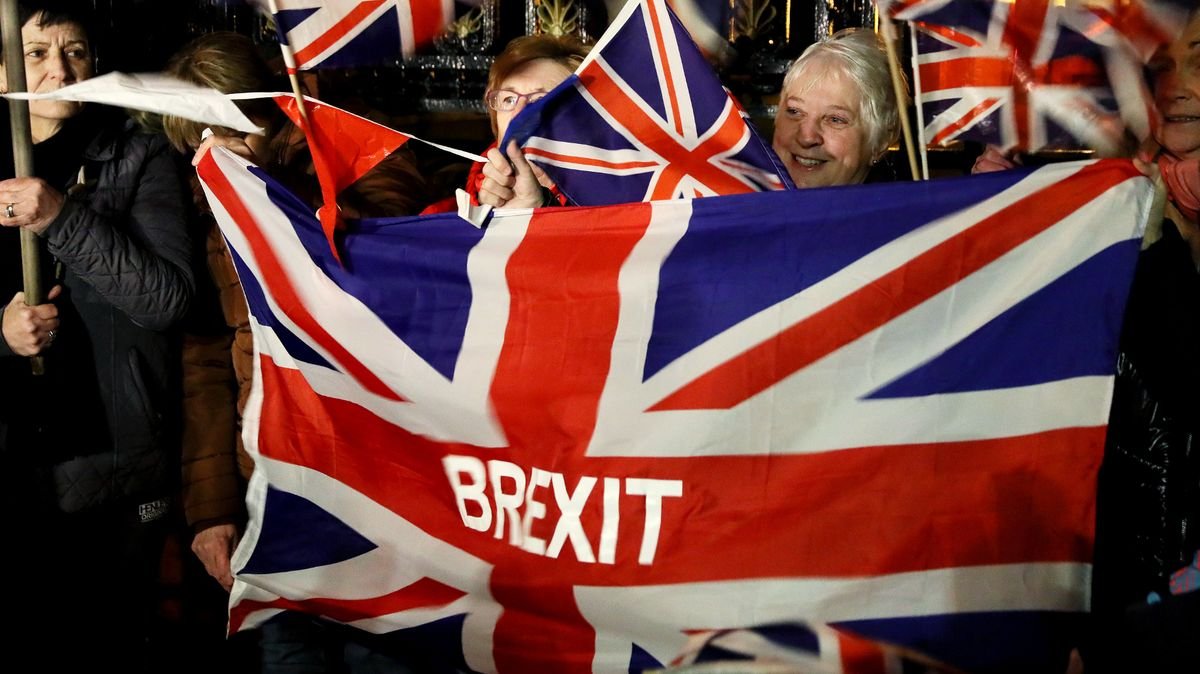

Each crisis presents an opportunity, even as Brexit marks its sixth anniversary with discontent.
The decision to leave the European Union has resulted in severe economic, political, and social repercussions for Britain, a crisis exacerbated by the misleading promises of those advocating for Brexit. Recent reports indicate that the country has suffered a significant £140 billion economic setback as a consequence.
Amidst the chaos, the actions of Donald Trump from the White House serve as a stark reminder of the importance of realigning with European allies for the prosperity and security of the nation. Recognizing the shifting global landscape, Keir Starmer emphasizes the need to engage with key players such as the US, China, and the EU.
In light of Trump’s antagonistic rhetoric towards Britain and the ongoing economic challenges, there is a growing momentum towards rejoining the EU. Starmer has taken steps to mend some of the shortcomings of Boris Johnson’s Brexit deal and is urged by prominent Cabinet Ministers to further address trade barriers to enhance economic prospects.
Advocating for closer ties with Europe not only safeguards against external threats but also shields Labour from attacks by rival political factions. Despite past commitments to stay out of the Customs Union and Single Market, a more positive stance towards Europe could pave the way for a strategic shift in policy ahead of upcoming elections.
The detrimental effects of Brexit are increasingly evident, prompting a reevaluation of the decision to leave the EU. As public sentiment shifts towards regret over Brexit, there is a growing push for rejoining the EU to mitigate the damages inflicted by the departure.