
With the impending U.S. 50% tariff deadline on the horizon, several B.C. businesses are becoming increasingly concerned about the potential negative effects on their profits.
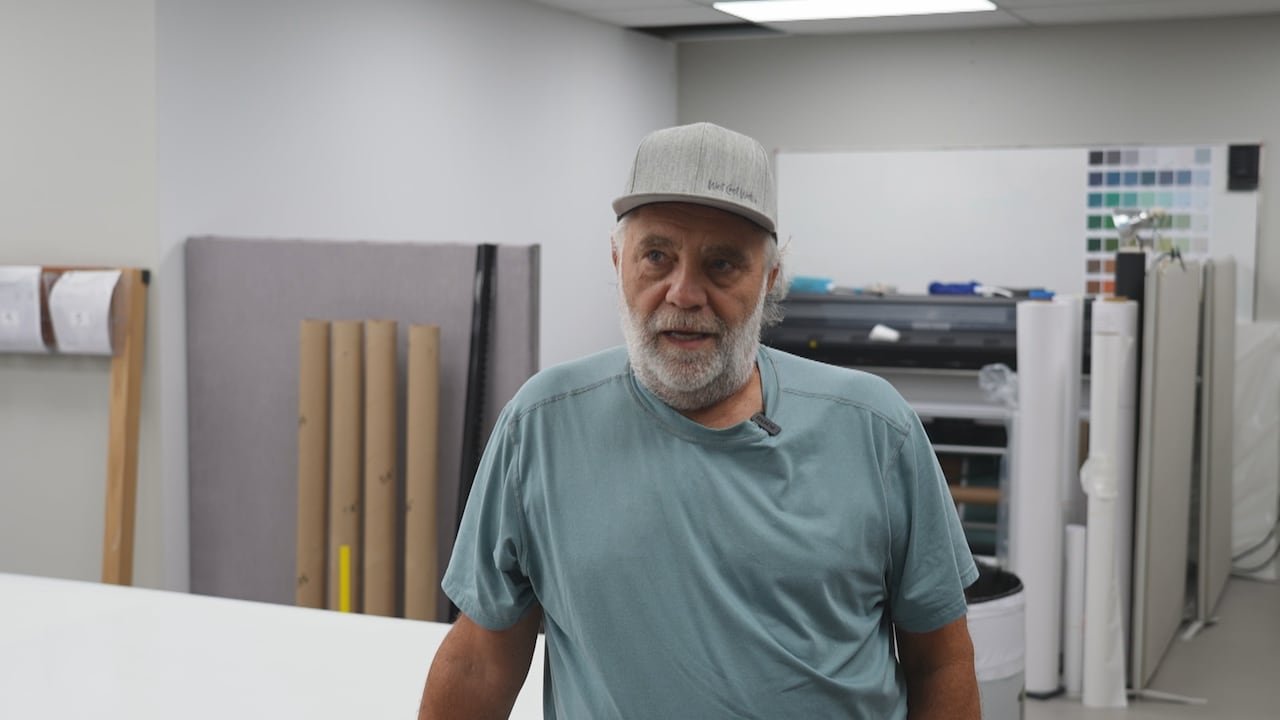
“It poses a significant threat,” stated Blaine Maryniuk, one of the founders of West Coast Walls.
Maryniuk, whose company produces wallpaper, stickers, and decals, mentioned that between 25 to 50 percent of his monthly sales are directed towards the United States.
“I worry about it daily,” he added.
These sentiments coincide with the approaching tariff deadline, leading Prime Minister Mark Carney to comment on the “sensitive” and “intense” nature of the negotiations with the United States.
Escalating Tariff Discussions
The Canadian Minister of Trade with the U.S., Dominic LeBlanc, and Canada’s chief trade negotiator, Janice Charette, have engaged in a series of discussions with U.S. Trade Representative Jamieson Greer over the past three weeks. The talks aim not only to avert the proposed Section 338 tariffs but also to reduce the existing Section 232 tariffs on industrial goods such as steel, aluminum, automobiles, and lumber in exchange for certain Canadian concessions.
The U.S. justifies the tariffs by citing Canadian discrimination against its automotive, dairy, and alcohol industries.
For instance, they seek to reintroduce U.S. alcohol in provincially controlled stores.
Threat to Profit from Wood Product Levies
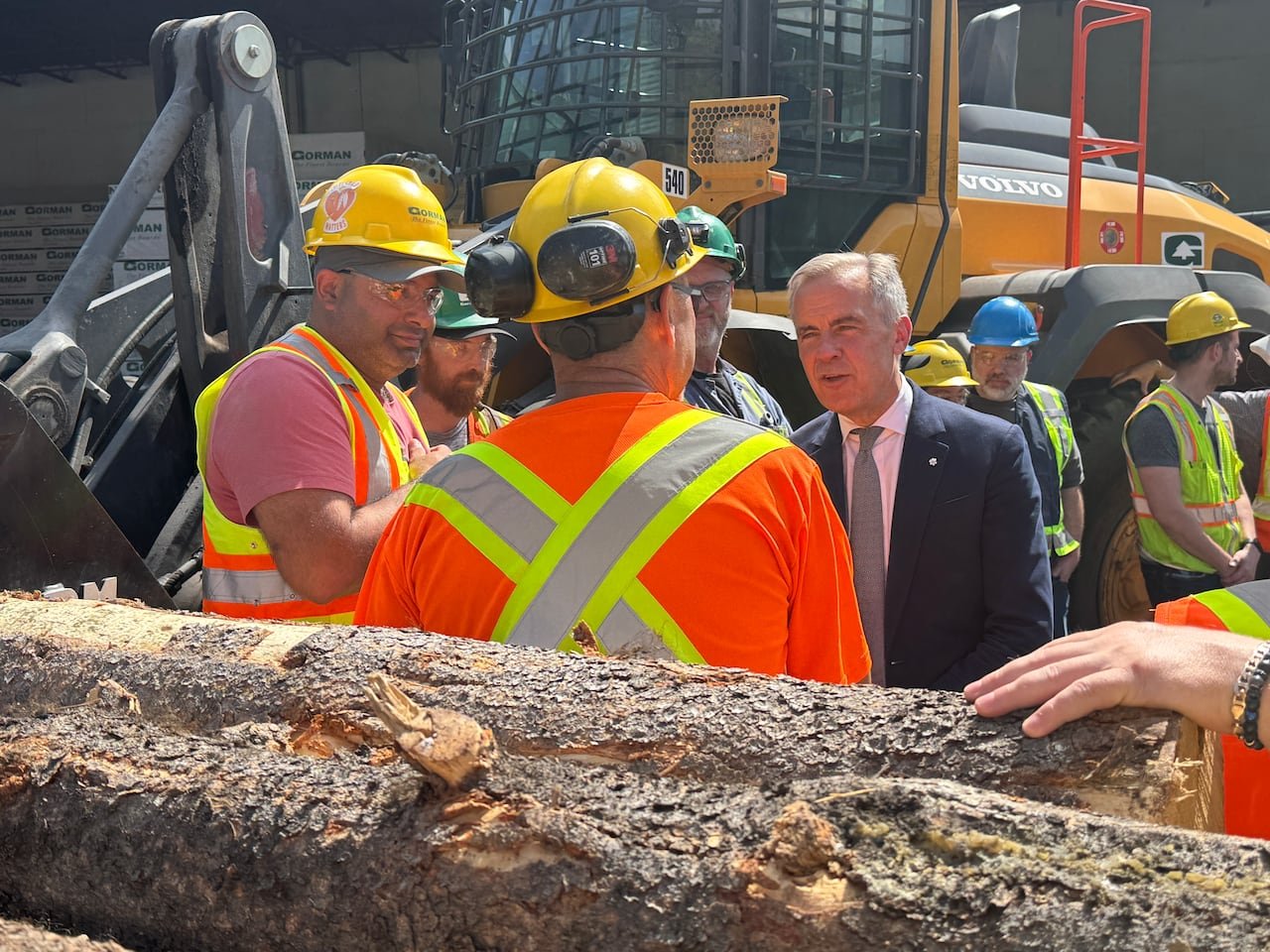
The most recent set of planned levies target various items, including wood products, leaving B.C. particularly exposed.
“Some companies will be forced to lay off employees – it’s uncertain if they can survive,” remarked Kelly Marciniw, a board member of the B.C. Log & Timber Building Industry Association. “More paperwork, more tracking – it’s not just about the cost of tariffs, but also the administrative burden and uncertainty.”
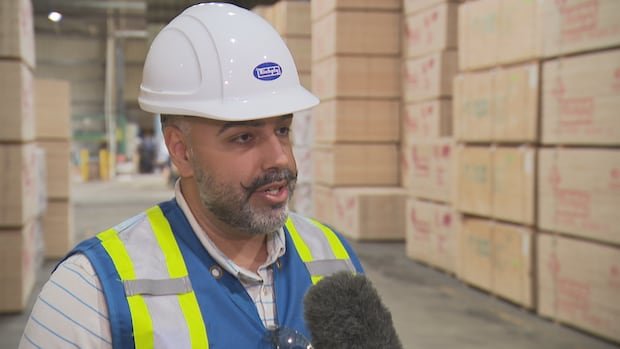
Bhavjeet Thandi, the CFO of Richmond Plywood, expressed anxiety about the potential outcome. “If these tariffs are implemented, Richmond Plywood will practically cease sales to the U.S. overnight,” Thandi stated. “It will significantly impact our profits.”
About 20% of the company’s output is currently destined for the U.S.
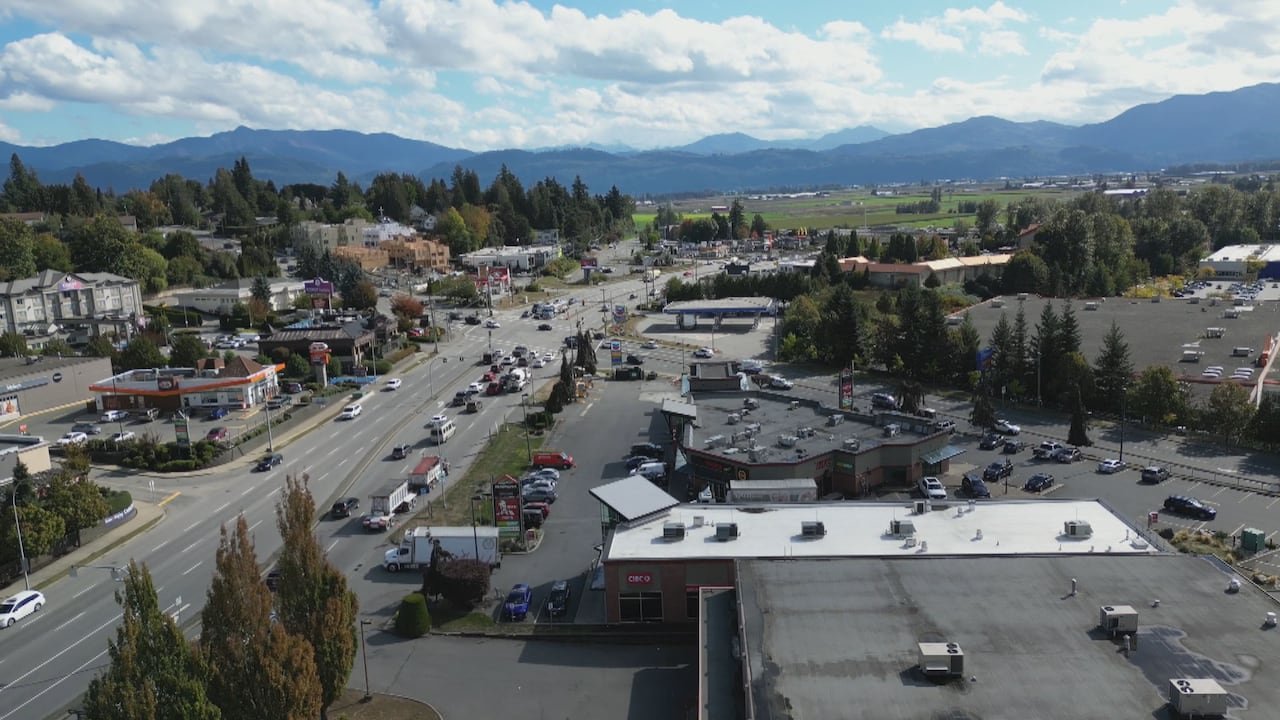
Alex Mitchell, CEO of the Abbotsford Chamber of Commerce, highlighted that over 300 businesses in the city export to the United States.
Abbostford alone accounts for approximately $1.5 billion in annual exports, with many of these exporters heavily reliant on the U.S. market.
“The constantly shifting tariff scenario makes it very challenging for customers and suppliers to maintain their strong trade relationships,” Mitchell noted.