

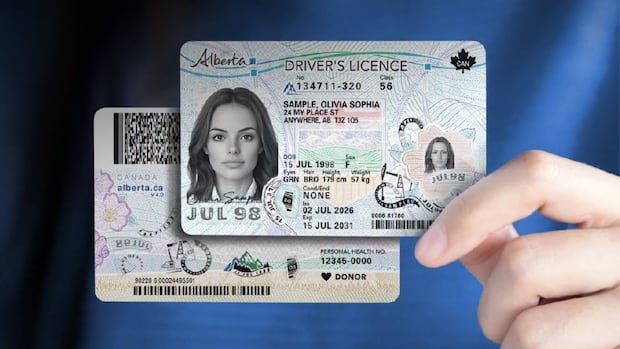

Alberta has introduced new integrated driver’s licenses that include the Alberta Health Care Insurance Plan (AHCIP) and proof of citizenship, replacing the traditional standalone health cards. These updated IDs now come with an expiration date, a change that came into effect on July 2.
According to the province’s website, AHCIP coverage remains valid as long as the health card is not expired, the individual resides in Alberta, and meets the eligibility criteria. Emergency services will not be denied to Albertans, even if their health card has expired. However, individuals may have to pay out-of-pocket for non-emergency health services if their card is expired.
Individuals who fail to renew their cards and have their coverage canceled will have up to a year to apply for reinstatement. If reinstated within this period, coverage will be retroactively restored, and services paid for during this time may be eligible for reimbursement.
The renewal cycle for health coverage in Alberta will now align with the expiration of driver’s licenses, occurring every five years. Dr. Brian Wirzba, president of the Alberta Medical Association, expressed concerns that the introduction of expiration dates on health cards could create barriers for vulnerable populations, such as seniors or individuals with mental disabilities, who may struggle to navigate the renewal process.
The decision to add expiration dates to health cards aligns Alberta with other provinces like Ontario and British Columbia, aiming to prevent healthcare fraud. Premier Danielle Smith highlighted the need to address the surplus of health cards in circulation, emphasizing the importance of ensuring that resources are allocated to eligible residents.
Since the implementation of the new IDs, over 134,000 have been issued by the province.