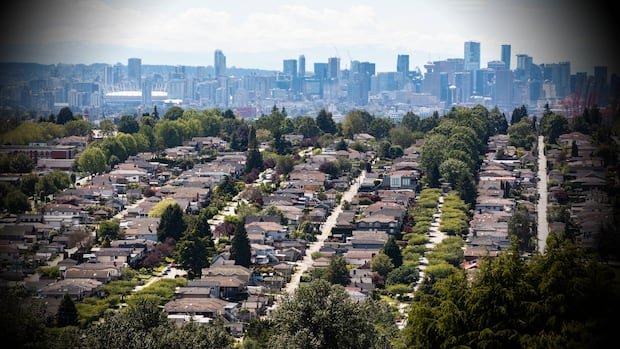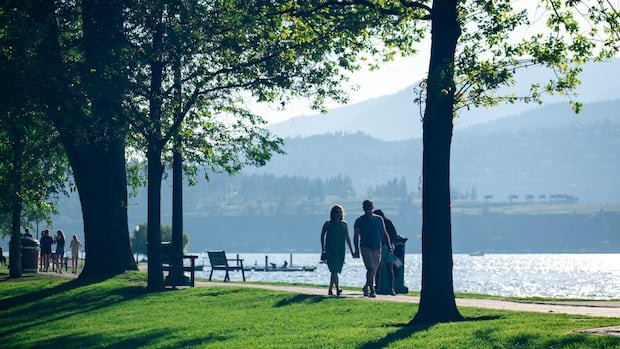
With soaring summer temperatures becoming a challenge for cities in British Columbia, the University of British Columbia has introduced a new tool aimed at revolutionizing urban tree planting practices.
The innovative initiative, known as CanopyFit, utilizes mapping and modeling techniques to determine optimal locations for planting trees in urban areas to combat rising temperatures effectively.
By integrating CanopyFit data with heat maps and demographic information, researchers can pinpoint specific needs in different city zones.
The primary goal of the project is to enhance the benefits of planted trees, promoting their growth and longevity to reduce costs and lower temperatures by offering ample shade.
One of the project’s key findings in Kelowna is the identification of neighborhoods like Rutland as top priorities for heat mitigation.
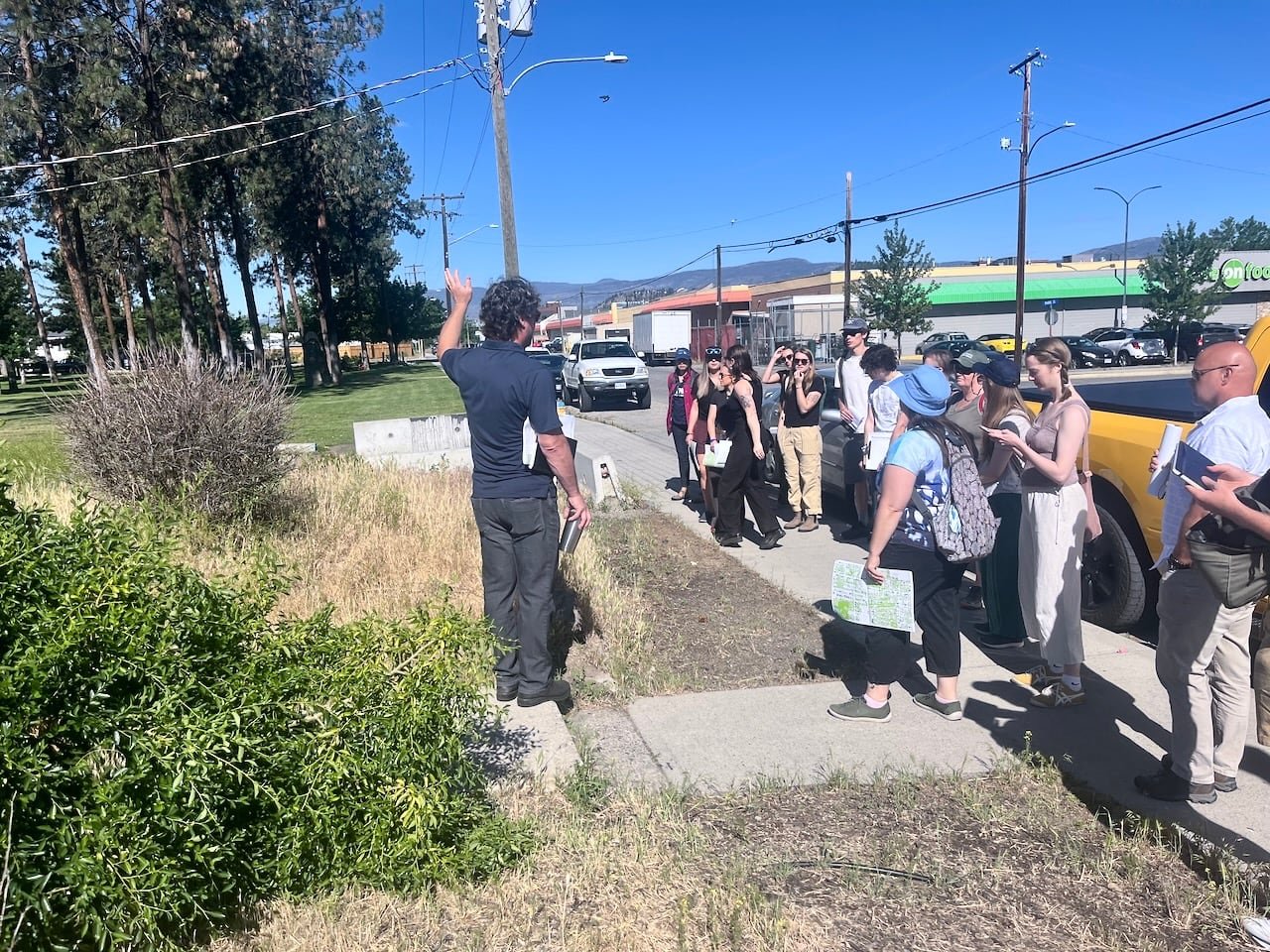
CanopyFit meticulously maps underground utilities, overhead wires, and other infrastructure that often pose obstacles to tree planting efforts.
Considering these factors enhances the longevity of trees and their ability to provide extensive shade coverage, as stated by Melissa McHale, the project lead and a forestry professor at the University of British Columbia (UBC).
“There are numerous hidden barriers that we tend to overlook in our surroundings as we encounter them daily,” McHale emphasized.
“However, trees have underground components that face these barriers during growth. It is crucial to anticipate the impact when positioning a tree in a specific location.”
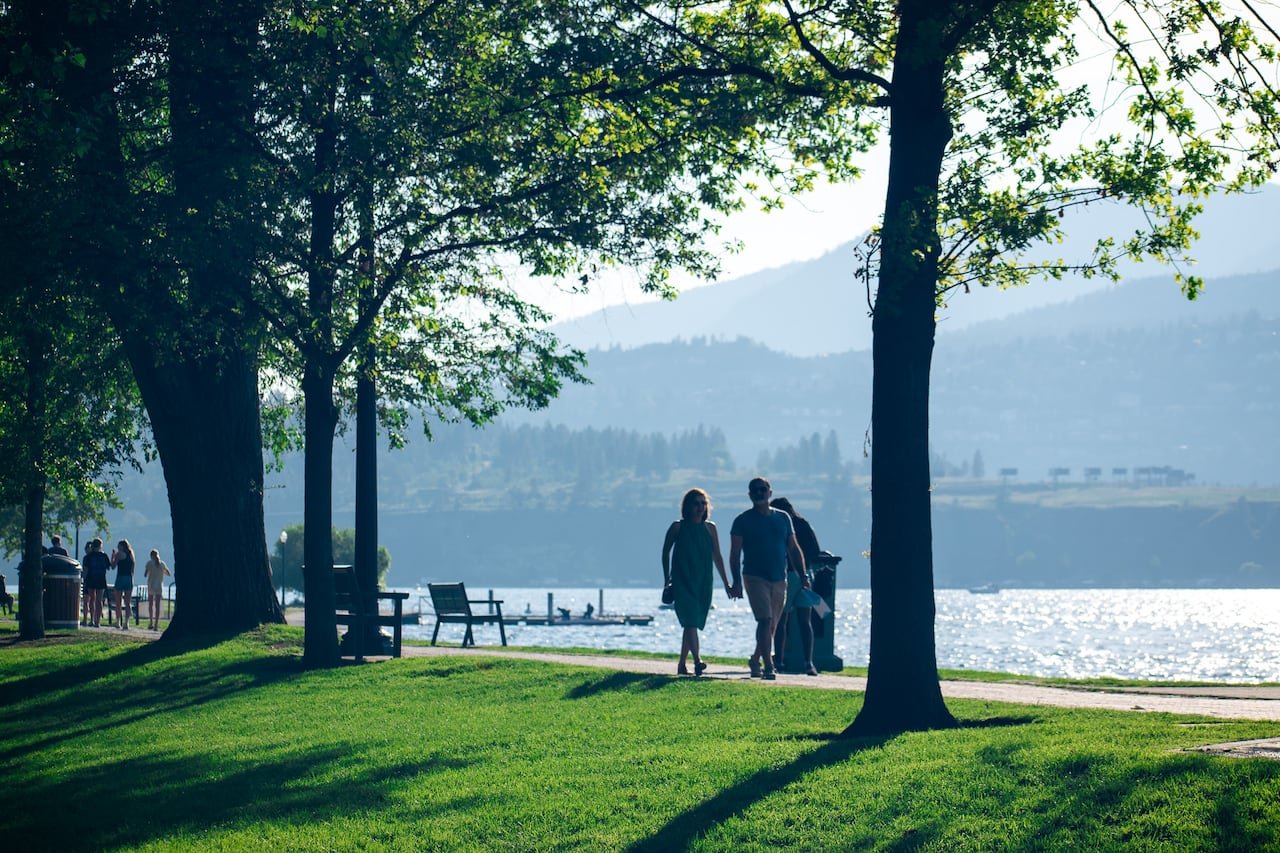
Studies have revealed that every 10% increase in tree canopy can lead to approximately a one-degree reduction in perceived ambient heat levels, showcasing the significance of trees in moderating temperatures.
“We have found CanopyFit to be an invaluable tool for exploring inquiries and questioning previous approaches to assessing tree canopy objectives,” remarked Jennifer Miles, a planning specialist at the City of Kelowna, regarding the tree-mapping pilot project.
“Trees play a critical role in climate adaptation and resilience, although establishing new trees in Kelowna’s arid climate poses significant challenges.”
Origins in Kelowna, Expanding to Vancouver
The collaborative pilot project involves UBC researchers, Diamond Head Consulting based in Vancouver, and the City of Kelowna, with the partnership commencing in 2022.
The initiative is now extending to Vancouver, with Diamond Head Consulting integrating CanopyFit into their assessments of Vancouver’s future canopy growth.