

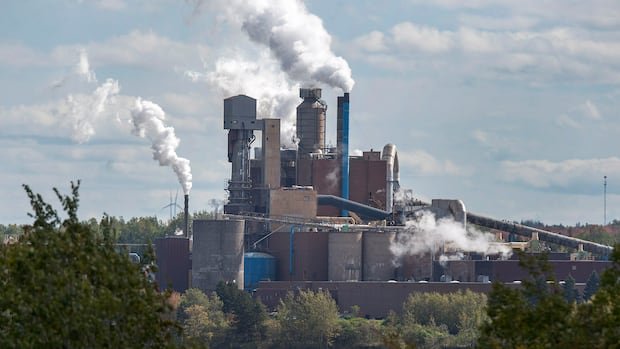

The former Northern Pulp mill in Nova Scotia, once a significant player in the province’s forestry industry, is gearing up for demolition. Environment Minister Tim Halman issued a revised ministerial order, paving the way for the dismantling of structures and facilities at the Abercrombie site near Pictou Harbour. Northern Timber Nova Scotia, the property owner, anticipates commencement of the project in September, as per government reports. Municipality of Pictou County officials confirmed that the company has applied for a demolition permit.
Under Halman’s updated directive, all solid waste, including construction and demolition debris, must be appropriately disposed of within 18 months. Domtar, the parent company of Northern Timber Nova Scotia, plans to finish the work by the end of 2027, with materials being sent to a scrap metal buyer or an approved landfill. The closure plan, a result of creditor protection proceedings, allocates $15 million for the project, expected to cover associated expenses.
Pictou Mayor Jim Ryan expressed optimism about the demolition, believing it will be well-received by the community. The future use of the land post-mill removal presents a significant challenge due to extensive contamination from past operations. The closure plan does not address land remediation, leaving uncertainty regarding the cleanup costs.
The mill, inactive since 2020 after failing to secure government approval for a new effluent treatment facility, faced legal battles before reaching a settlement agreement in 2024, ending the possibility of a relaunch and a major lawsuit. Efforts to establish a new operation in Queens County proved unfeasible, leading to the sale of the company’s timberlands to a business controlled by Nova Scotia entrepreneur John Bragg.
Proceeds from the land sale helped settle debts, secure pensions, and fund closure efforts, but the province remains responsible for the costly cleanup of Boat Harbour. The project budget is estimated at $425 million, with unresolved details on contaminated sludge storage. The future steps for the property hinge on the ongoing creditor protection process, with the site’s contaminated history posing additional challenges for stakeholders.