

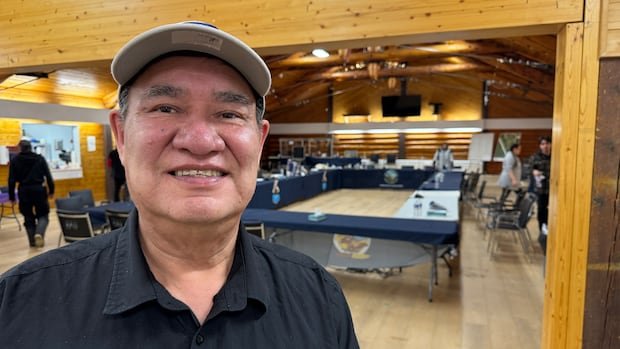

The leader of Åutsel K’e Dene First Nation in the N.W.T. is advocating for a new regulation that would permit the community to expel individuals to address a surge in bootlegging operations. Chief James Marlowe recently expressed concerns via social media about the negative impacts of bootlegging on the community members. Åutsel K’e is a compact settlement situated on the eastern shore of Great Slave Lake, accessible primarily by plane, boat, or snowmobile during winter.
Chief Marlowe highlighted that the escalating bootlegging activities have strained community resources, such as the local nursing station, leading to an increase in medical evacuations to Yellowknife. The N.W.T. Health and Social Services Authority did not respond to inquiries from CBC News prior to publication regarding the situation.
Moreover, Marlowe emphasized that the community has been grappling with various issues linked to bootlegging and alcohol abuse, including family disruptions, criminal activities, assaults, and theft. The RCMP in Åutsel K’e confirmed that they frequently respond to reports of bootlegging and confiscate illicit alcohol shipments entering the community, which officially prohibits alcohol sales.
Marlowe pointed out that bootleggers often originate from outside the community, but some members shield and support them due to financial gains from illegal sales. He expressed concerns about potential fatalities resulting from these activities and proposed the implementation of a banishment law to expel bootleggers from Åutsel K’e for a designated period, subject to approval by First Nation members after consulting with legal experts.
Legal expert Marc Gibson mentioned that several methods exist for removing individuals from a community, depending on their membership status. Gibson highlighted the complexities of banishing community members and the need to balance community interests with individual rights. He cautioned that failed banishments could result from non-compliance with established rules and regulations. Gibson emphasized the importance of adhering to governing laws, such as the Indian Act or modern treaties, when enforcing banishment laws.
While acknowledging banishment as a potential solution, Gibson stressed that it is not a definitive remedy and suggested exploring other strategies like housing reforms and empowering law enforcement for effective solutions. Marlowe announced plans for a community meeting on September 29 in Åutsel K’e to deliberate on the proposed banishment law with First Nation members to promote peace and well-being within the community.