

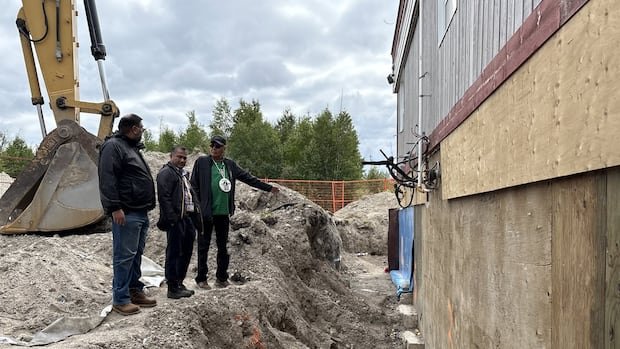

After over a month since Neskantaga First Nations declared a state of emergency due to a sewage spill at its nursing station, a fire at its interim health-care facility has once again caused distress within the community. The sewage incident occurred shortly after more than 140 residents returned from Toronto following evacuations prompted by nearby wildfires.
With fewer than 400 individuals residing in the First Nation, approximately 250 vulnerable community members are currently staying in Toronto due to the sewage spill. Indigenous Services Canada (ISC) officials, including the regional director general for Ontario, visited the community to assess the situation.
Neskantaga Chief Gary Quisses, in a statement on Friday, highlighted deficiencies in the past remediation work at the nursing station, such as an open gap in the exterior wall and the presence of black mold resulting from sewage flooding. ISC Minister Mandy-Gull Masty has engaged with Quisses to address these concerns.
The Child and Family Resources Centre has been serving as a temporary nursing station since the sewage spill, with plans for alternative health clinic options being considered. The community is exploring various solutions, including utilizing the administrative office, modular buildings, or trailers at the school.
Neskantaga has a history of nursing station issues, including a previous evacuation due to flooding and fuel odors at the facility. Additionally, the community has been under a boil-water advisory for a record 31 years.
Matawa, a tribal council representing Neskantaga and eight other First Nations, expressed frustration over the ongoing challenges faced by remote communities due to government infrastructure failures. The Matawa chiefs are urging for the establishment of a dedicated working group to address Neskantaga’s needs until the state of emergency is resolved.
Quisses emphasized the importance of swift action in building a new nursing station, expressing concerns about the impact on community events and education due to the prolonged evacuation. Efforts are being made to support evacuees who are experiencing social challenges during this period of displacement.