


In Wekweètì, N.W.T., Patrick Tom has been contributing to a tree planting project since late August. His role involves transporting personnel and equipment to the south shore of Snare Lake for replanting after a wildfire. About 45 workers were flown into the Tłı̨chǫ community, located approximately 300 kilometers northeast of Behchokǫ̀, to plant 425,000 black and white spruce trees within a two-week period. This initiative is part of the Tlicho government’s goal to plant 13 million trees across its territories by 2030, supported by federal funding.
The project aims to enhance ecosystems and restore boreal caribou habitat while providing employment opportunities for locals. Tom, who had worked at the Ekati diamond mine for 27 years before it went into receivership in July, is now retired and enjoys a pension. However, working on the tree planting crew enables him to remain close to his family.
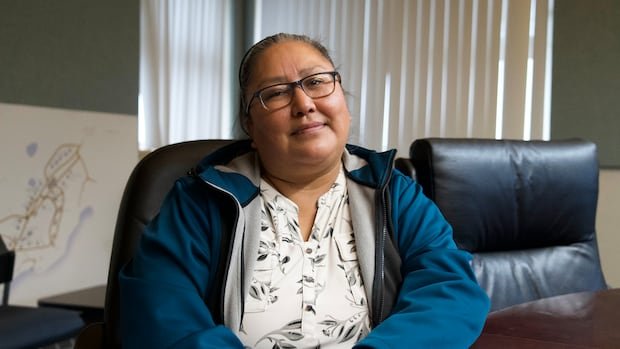
The tree planting initiative in Wekweètì has provided job opportunities for residents who lost employment at the Ekati and Diavik diamond mines, which are either closing or undergoing cleanup. Chief Adeline Football of Wekweètì noted that while full-time jobs are scarce in the community, projects like tree planting offer valuable casual work opportunities and generate income. The local government has rented out its culture camp to accommodate the tree planters, contributing to an expected income of $100,000 to $150,000 for the community.
The logistical challenges of tree planting in Wekweètì have been significant, according to project manager Crawford Young, who has been involved in planting for 35 years. Transporting seedlings from Alberta to the planting site has required various means of transport, including trucks, planes, boats, and drones. Weather conditions often impact operations, as seen when a decision was made to postpone planting due to unsafe water conditions.
Roslen Washie, a young tree planter from Behchokǫ̀, finds fulfillment in the hard work and camaraderie among fellow planters. He appreciates the supportive community and is considering pursuing a career in reforestation. Similarly, Alex Apples, another Tłı̨chǫ man involved in the planting project, sees tree planting as a lucrative temporary job while aspiring to pursue carpentry in the future.
The Tłı̨chǫ tree planters in Wekweètì are earning between $250 and $700 per day based on a base rate and the number of trees planted. Apples expressed satisfaction with the income, noting that he still had savings from previous contracts. The dedication of planters was evident, with one achieving a personal best of planting 2,400 trees in a single day after hitting 1,500 trees the previous week.