

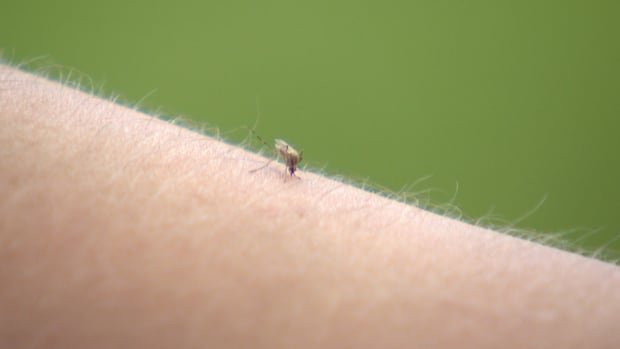

The North Bay Parry Sound District Health Unit reported that a horse in the Parry Sound district has tested positive for West Nile Virus. The infected five-year-old horse, which was not vaccinated, showed signs of the virus on August 21 but is now recovering after receiving treatment. The health unit emphasized that the confirmation of West Nile virus indicates a potential spread by local mosquitoes, which acquire the virus by feeding on infected birds. The virus can only be transmitted to humans through the bite of an infected mosquito.
This announcement coincides with recent reports from other public health agencies in northeastern Ontario, confirming the virus in two birds. Public Health Sudbury and Districts disclosed in a news release that a crow in the Espanola area tested positive for West Nile virus. Similarly, Northeastern Public Health announced that a crow in the Timmins area had tested positive for the virus, the first bird infection in that region in two years.
Health officials from the respective health units noted that although the overall risk of contracting the virus is low, infections are more common in late summer when mosquitoes may have higher virus levels. Symptoms of West Nile virus infection can range from mild, such as fever, headache, body aches, and rash, to severe cases affecting the brain. The incubation period for symptoms is typically between two and 15 days, and there is currently no available vaccine for humans.
To prevent mosquito bites and reduce the risk of infection, the health units advise the public to take precautions, especially during peak mosquito activity between dusk and dawn. Recommendations include wearing light-colored, long-sleeved clothing, using insect repellent with DEET or Icaridin, repairing window and door screens, and eliminating standing water around residences where mosquitoes can breed.