


Prime Minister Mark Carney has pledged additional funding for improving early wildfire detection and warning systems as Ontario grapples with its most severe wildfire season on record.
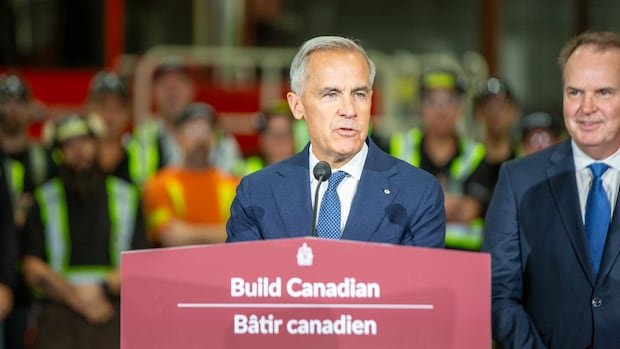
During his visit to Thunder Bay, Ontario, where he announced a significant investment in Via Rail, Carney emphasized the importance of continuing to enhance early warning and detection capabilities. This year has been marked as Ontario’s worst wildfire season, with the northwestern region being the most heavily impacted. Over 2,800 individuals were displaced at the peak of the wildfire activity, affecting numerous communities.
Notably, two First Nation communities in northwest Ontario, Namaygoosisagagun First Nation (Collins First Nation) and Whitewater Lake First Nation, were devastated by wildfires this summer. Carney acknowledged the severity of the situation and stressed the need to prepare for the possibility of breaking the current wildfire record.
Expressing gratitude to those involved in firefighting efforts, including the Canadian Armed Forces and Thunder Bay communities, Carney highlighted the importance of investing in firefighting resources and collaborating with Indigenous communities on fire management strategies and evacuation preparedness.
Following his announcement at Alstom train manufacturer, Carney visited the Thunder Bay Fire Management Centre to meet with wildland firefighters and learn about their experiences during this challenging season.
Outside the fire management center, Carney encountered a member of Citizens United for a Sustainable Planet holding a sign criticizing government spending on projects promoting fossil fuels amidst climate concerns. The organization emphasized the need for stronger climate policies to ensure a sustainable future for Canadians.
As the federal government released findings from Canada’s Changing Climate Report projecting a significant temperature increase by the end of the century, Carney was urged to prioritize climate action to address the escalating environmental challenges. Nishnawbe Aski Nation raised concerns about the impact of climate change on critical infrastructure, particularly on remote First Nation communities in northern Ontario, underscoring the urgency for inclusive and ambitious investments in climate-resilient infrastructure.
In response to Carney’s visit, NAN Grand Chief Alvin Fiddler called for a commitment from Canada to prioritize the needs of First Nations communities in climate change mitigation and infrastructure development, emphasizing the importance of urgent and substantial investments in addressing climate-related challenges.