

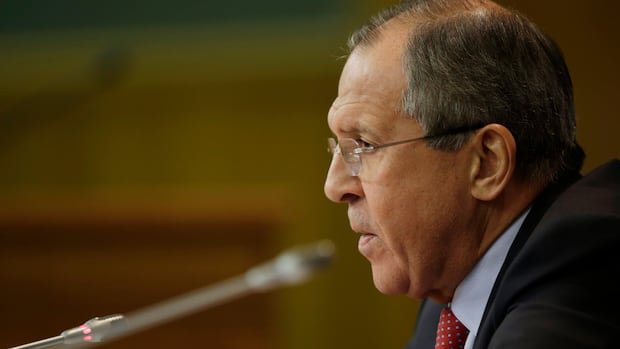

As NATO nations, including Canada, increase their spending on Arctic defense, a senior Kremlin official expressed Russia’s concerns about the growing militarization in the region. Russia’s foreign affairs minister, Sergei Lavrov, stated that the military activities in the Far North pose a direct security threat to Russia and raise the risk of incidents that could lead to armed confrontations with severe consequences.
The Arctic, once known for low international tensions, has seen a shift towards increased competitiveness, according to Alison LeClaire, former Canadian ambassador to Russia. She emphasized the importance of cooperation with Russia to avoid disadvantages in the evolving Arctic landscape.
While Soviet leader Mikhail Gorbachev referred to the Arctic as a zone of peace and cooperation in 1987, the dynamics have changed over the years due to strained relations between Russia and Western countries. A 2023 Senate report highlighted Russia and China as significant threats to Canada’s interests in the Arctic. Additionally, a 2024 CSIS report noted Russian intelligence services engaging in foreign interference activities in the Canadian Arctic.
Regarding the potential military threat from Russia to Canada, LeClaire offered a nuanced perspective, suggesting a “qualified no.” She pointed out that the Russian Arctic region contributes significantly to the country’s GDP and hosts a considerable population, indicating that the Kremlin would prioritize maintaining peace in the area.
Both Canada and Russia have made substantial investments in Arctic defense. Canada announced an $81 billion expenditure over 20 years, including funding for air force facility upgrades and operational support hubs. In contrast, Russia expanded its Arctic infrastructure between 2014 and 2019, establishing airfields, military bases, deepwater ports, and border posts.
The increased militarization of the Arctic raises concerns about the potential for accidental conflicts in the region, as noted by LeClaire. She highlighted the higher risk of unintended incidents in the Arctic due to heightened military activities, underscoring the importance of managing these risks to prevent conflicts.