

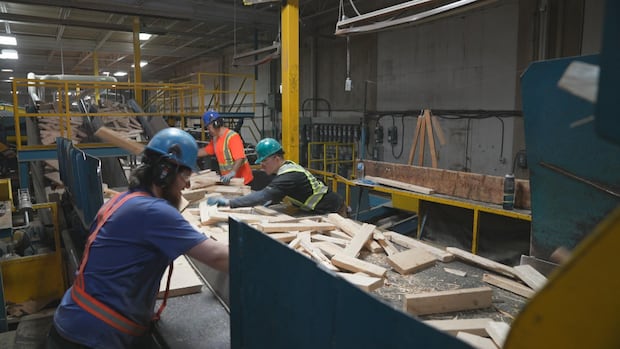

A prominent employer in the northern region of British Columbia, specifically Prince George, is reducing its operations due to ongoing challenges in the forestry sector. John Brink, the CEO of Brink Forest Products, has announced plans to decrease the workforce at his Prince George finger-joint lumber plant from 85 employees to around 30 starting next week. This decision has resulted in the unfortunate layoff of 50 loyal employees.
Over the past year, Brink’s facilities in Vanderhoof and Houston have permanently shut down, leading to the loss of over 100 jobs. Altogether, Brink employed approximately 400 individuals across the three plants. Brink expressed concerns about the struggling sawmill landscape in northern B.C., emphasizing the interdependence of secondary manufacturers on primary manufacturers for essential resources.
Apart from grappling with ongoing challenges in fiber supply, Brink’s company is facing escalating U.S. tariff expenses and constraints in securing financing. The U.S. Department of Commerce has consistently imposed steep tariffs on Canadian softwood, with current rates nearing 50 percent. Brink revealed that since 2017, his company has paid up to $100 million in duties and tariffs, with monthly tariff-related costs now reaching around $1 million.
As Canada prepares to implement retaliatory tariffs on numerous U.S. products, starting on September 8, Brink anticipates further cost escalations. He highlighted potential duties on imported materials from the U.S., such as essential adhesives for finger-joint applications, posing additional financial challenges. Despite efforts, Brink has faced obstacles in accessing federal and provincial support, including unsuccessful attempts to secure funding through a federal loan guarantee program.
While expressing disappointment in the lack of tangible assistance from government entities, Brink remains determined and optimistic about sustaining operations at the Prince George plant, albeit at reduced capacity of approximately 20 percent.