

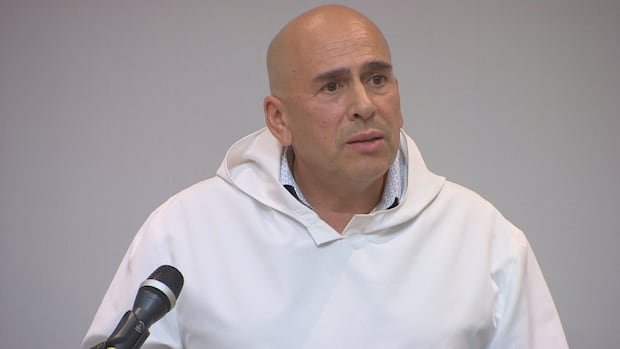

The president of the NunatuKavut Community Council (NCC) expressed disappointment over the federal government’s decision to end its pursuit of Indigenous rights. Todd Russell, the NCC president, described the termination as disheartening, suggesting that external Indigenous groups may have influenced the outcome.
Crown-Indigenous Relations and Northern Affairs Canada (CIRNAC) responded to Russell’s claim, stating that the decision to halt NunatuKavut’s Recognition of Indigenous Rights and Self-Determination process was based on a thorough review of the evidence provided by NCC. The department highlighted that the information submitted did not meet the criteria established by the court for Indigenous rights and title.
NunatuKavut, representing 6,000 self-identifying Inuit in south and central Labrador, transitioned from identifying as Métis in 2010. Despite this, the group is not officially recognized by the national organization Inuit Tapiriit Kanatami.
Back in 2019, NCC signed a memorandum of understanding (MOU) with the federal government, acknowledging NunatuKavut as an Indigenous collective entitled to Section 35 rights under the Constitution Act. This recognition grants constitutional acknowledgment and upholds Indigenous rights, providing a framework for self-governance.
Following a legal challenge from the Innu Nation, the MOU was upheld in federal court in 2024. NunatuKavut recently referenced a leaked report from the Laurier Research Group, commissioned by the government, supporting their claim as the modern descendants of the Inuit of central and southern Labrador. However, CIRNAC clarified that the report merely summarized NunatuKavut’s arguments and evidence without affirming Section 35 rights.
Labrador’s Innu Nation and Nunatsiavut government, long-standing opponents of NunatuKavut’s Indigenous identity claim, welcomed the decision to terminate the process. Innu Nation Grand Chief Jodie Ashini described the move as necessary and reasonable. Despite this, Russell criticized the termination, emphasizing that external groups should not dictate Indigenous identity.
Newfoundland and Labrador’s Minister of Indigenous Affairs and Reconciliation, Lela Evans, refrained from confirming NunatuKavut’s Indigenous status, emphasizing the federal government’s role in making such determinations. Evans stressed the province’s commitment to working with NunatuKavut, irrespective of the ongoing dispute.
Russell raised concerns about the timing of the decision, speculating that the federal government’s support for the Churchill Falls MOU may have influenced the outcome. He emphasized NunatuKavut’s importance in negotiations related to the Churchill River power agreement, warning against proceeding without their involvement.
NunatuKavut urged the provincial government to engage with them before advancing Churchill River developments. Evans highlighted the need for clarity from the federal government before including NunatuKavut in any discussions related to land claims and development projects.