

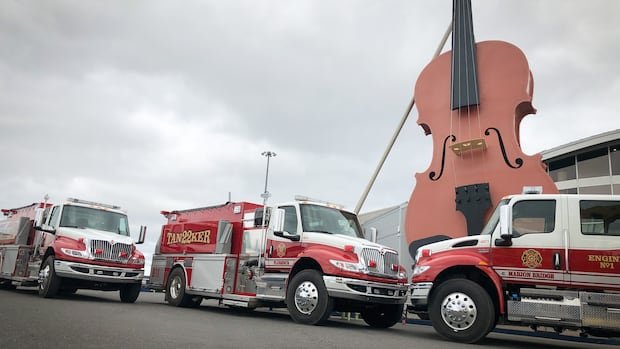

A recent report by a consulting firm suggests that Cape Breton Regional Municipality should gradually assume control over the volunteer fire departments currently operating independently in the area. This recommendation comes after a review by the Nova Scotia government and the introduction of new legislation setting standards for firefighter training and equipment to enhance service quality and safety.
Mayor Cecil Clarke acknowledged that implementing these recommendations in CBRM would necessitate assistance from the province, emphasizing the financial implications and the need for partnerships. He highlighted the requirement for approximately $25 million in new equipment to replace aging yet functional trucks that pose insurance risks.
Furthermore, CBRM is contemplating the adoption of a digital records management system to enable data-driven decision-making within the fire service, including analyzing call response times and other performance metrics.
The consulting firm Transitional Solutions conducted the study for CBRM, advocating for the municipality to transition into the sole fire service authority and gradually assume administrative responsibilities from volunteer departments. Senior emergency adviser Chris Harrow emphasized the importance of aligning fire departments with service level standards, training, and safety protocols.
Unlike most other regional municipalities, CBRM features a unique structure with two stations employing full-time paid firefighters, three volunteer stations with partial paid staff, and 29 community-level volunteer departments.
The proposed plan, spanning three to five years, recommends CBRM as the exclusive fire service authority and suggests incrementally transferring administrative tasks from volunteer departments to enhance operational efficiency. This approach aims to relieve volunteer departments of procurement and liability duties, allowing them to focus on training and emergency response.
Rod Beresford, chief of the Westmount Volunteer Fire Department, acknowledged the transformative nature of the report, expressing the need for investment from the municipality, the province, and other chiefs to realize the proposed changes. While acknowledging the report’s lack of explicit details, Beresford underscored the importance of further discussions and clarified that municipal officials require additional information to proceed effectively.
The ultimate objective, as outlined in the report, is to establish a centralized, integrated, and coordinated fire service, a sentiment echoed by most fire chiefs in the region. While recognizing the magnitude of the proposed changes, Beresford viewed them as positive steps forward that require collective commitment and collaboration.
The province has indicated its intention to provide funding for training, awaiting specific funding requests from municipalities to determine the overall support required for enhancing fire services. As municipalities undergo reviews, the province will determine its subsequent actions based on the received feedback, reflecting a collaborative approach towards improving fire service standards.