

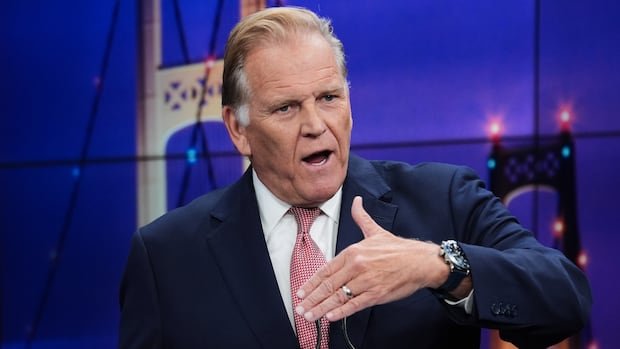

Michigan Senate candidate Mike Rogers faced intense scrutiny during a heated debate regarding President Donald Trump’s trade dispute with Canada. The debate, a crucial event in the upcoming midterm elections, featured discussions on the ongoing trade tensions and the potential impact of future tariffs.
The topic of Trump’s tariffs on Canadian imports arose early in the debate, prompting questions about Rogers’ stance on the issue. Rogers addressed his previous remarks emphasizing that “Canada is not our enemy,” while also expressing his desire to reach a favorable trade agreement. He highlighted the need to lower the current high tariffs on Canadian products for the benefit of both nations.
Rogers criticized his Democratic opponent, Abdul El-Sayed, suggesting that El-Sayed’s policies could lead to increased prices for consumers. The trade war with Canada has become a pivotal issue in the closely contested race between Rogers and El-Sayed, with the November elections approaching.
President Trump’s aggressive trade policies, particularly towards Canada, have escalated in recent months following failed negotiations. The imposition of significant tariffs on Canadian goods and subsequent retaliatory measures have further strained the trade relationship between the two countries.
Rogers also weighed in on the delay of the Gordie Howe International Bridge project, asserting that the U.S. would secure a better financial deal without compromising its interests. Polling data indicates that a majority of Michigan voters disapprove of Trump’s tariff strategies, given the state’s strong economic ties with Canada.
The debate also delved into other contentious issues such as the Iran conflict, fuel costs, and candidates’ property holdings. Rogers and El-Sayed clashed over their respective policy proposals, with each trying to distance themselves from controversial aspects of their opponents’ platforms.
As the race for the Senate majority intensifies, the outcome of the Michigan contest holds significant implications. El-Sayed’s nuanced stance on tariffs, while critical of Trump’s approach, underscores the complexities of trade policy and its impact on domestic industries.
Overall, the debate showcased the divergent views of the candidates on critical issues, shedding light on their approaches to governance and economic policies as they vie for voter support in a crucial electoral battleground.