

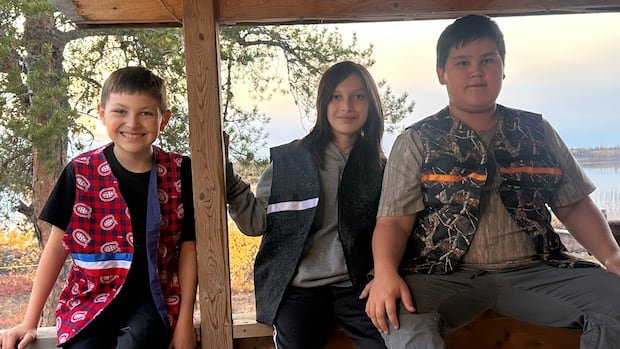

Venn Morin fondly recalls the lessons he absorbed during his early hunting expeditions at the age of 12. “The key challenge was mastering the art of listening quietly without disrupting the natural sounds,” he shared. Now, Morin is committed to providing the youth of Whitecap Dakota First Nation with similar formative experiences. Over the recent weekend, he organized the community’s inaugural youth camp hunt, catering to youngsters aged 12 to 17.
According to Morin, the event holds significant cultural importance for Indigenous youth, marking a symbolic transition into the hunting traditions and skills integral to their heritage. Despite momentarily stepping away from hunting in his adulthood, Morin rediscovered his passion through fatherhood, driven by the desire to instill essential survival skills in his two sons. “Being out in nature and mastering these skills is a fundamental aspect that we shouldn’t lose touch with,” he emphasized.
Morin expressed that his mental well-being significantly improved upon rekindling his hunting pursuits. He highlighted the therapeutic benefits of spending time outdoors, emphasizing the holistic experience from preparation to field navigation. Ensuring the comfort of the young participants was a top priority for Morin, who provided essentials like sleeping bags, a campfire, and plenty of treats to create a welcoming environment. He stressed the importance of reintroducing children to self-sufficiency and a deeper connection with nature, without imposing the rugged conditions he endured in his youth.
Transferring ancestral knowledge and fostering a profound respect for nature are core elements of Morin’s mission to mentor the next generation of hunters. Keetah Montgrand, the land-based educator at Birch Narrows Dene Community School in Turnor Lake, spearheads a program where Grade 6 students engage with elders to learn traditional hunting practices. Montgrand emphasized the significance of integrating the curriculum with land-based activities, aligning educational initiatives with the natural environment to deepen students’ understanding.
Students at the Frobisher Lake cabin experience diverse hunting seasons in fall and winter, focusing on activities like moose hunting, fishing, berry harvesting, trapping, and ice fishing. Montgrand highlighted the efforts to link classroom teachings with practical land-based experiences, emphasizing the importance of pre- and post-assignments to reinforce learning outcomes. Axel, a Grade 6 student, succinctly expressed his enthusiasm for the hunting cabin, stating that hunting was his favorite aspect of the program.