

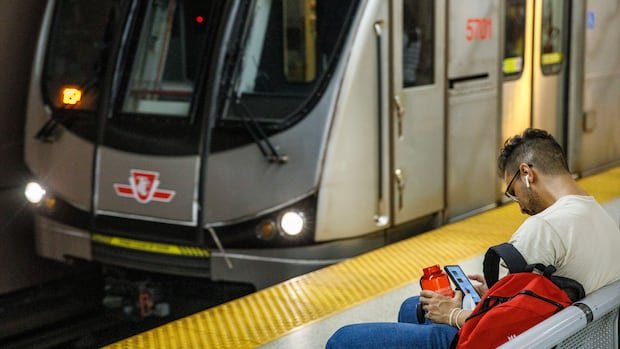

Toronto commuters often face frustrating experiences like muffled announcements, slow subway trains, and the dreaded replacement shuttle buses. A recent analysis by CBC Toronto revealed a noticeable increase in delays and slowdowns on the city’s subway system.
According to detailed TTC subway delay logs from 2018 to 2025, there has been a significant rise in delay incidents, with a shift in the leading causes. The predominant causes of delays are now mainly external or human-related, with “disorderly patron” incidents ranking at the top of the list.
Transit researcher Jonathan English highlighted the substantial increase in disorderly patron incidents post-pandemic and emphasized the need to address this issue. TTC spokesperson Stuart Green acknowledged the frustration caused by delays and mentioned that the agency is leveraging data to tackle system problems effectively.
Despite the focus on disorderly patrons, transit experts and advocates emphasize the importance of addressing subway slow zones to enhance reliability. In 2025, TTC subway delay logs documented a total of 25,737 individual delay incidents, resulting in a cumulative delay time of 1,179 hours and 28 minutes.
While disorderly patrons accounted for a significant portion of these delays, weather-related incidents were more prevalent in 2018 and 2019. The absence of slow zone impact data in delay records is notable, as these areas significantly affect riders’ experiences.
Advocates like Andrew Pulsifer from TTCRiders stress the need for crisis workers on the subway and increased staffing to improve incident response times. TTC’s efforts to address delays include operational improvements and enhanced collaboration with external partners.
The economic impact of persistent delays extends beyond inconvenience, impacting traffic congestion and overall economic productivity. A reliable transit system is crucial for alleviating congestion and enhancing economic growth. Despite the challenges, experts believe investing in infrastructure improvements will outweigh the economic costs of delayed commutes.