


The Ontario Office of the Fire Marshal is currently investigating a tragic fire incident in Poplar Hill First Nation from last week. In response to this, the National Indigenous Fire Safety Council (NIFSC) is emphasizing the crucial need for enhanced fire safety education and prevention initiatives within First Nations communities.
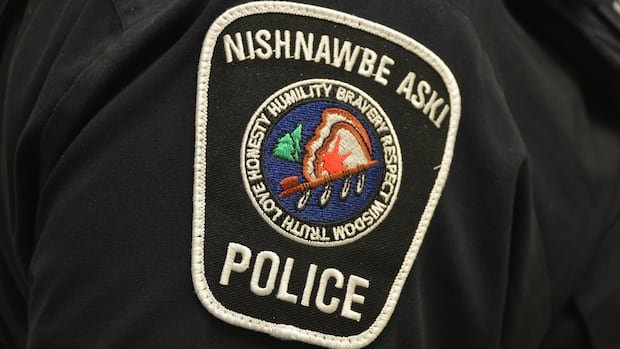
The Nishnawbe Aski Police Service swiftly responded to a house fire in the remote Ojibway community on Friday afternoon. The police confirmed that the fire had been contained before their arrival, and unfortunately, they discovered a deceased individual in the residence. A post-mortem examination is scheduled to be conducted in Toronto this Tuesday.
Arnold Lazare, the interim CEO of NIFSC, expressed his dismay over the incident, highlighting the ongoing advocacy for fire prevention that has been a priority for the council for decades. Lazare stressed the importance of proactive measures to prevent fires, stating that once fire trucks are dispatched, it signifies a critical delay in addressing the situation.
The investigation into the fatal fire involves members of the Nishnawbe Aski Police Service’s Major Crimes Unit and the Office of the Chief Coroner. Notably, this incident follows another tragic house fire in the region a month earlier, where three individuals lost their lives in Grassy Narrows First Nation.
Indigenous communities face a significantly higher risk of fire-related deaths compared to non-Indigenous populations, as confirmed by a 2021 study commissioned by NIFSC. The study revealed that Indigenous individuals are over five times more likely to perish in a fire, with the risk escalating to over tenfold for those residing on reserves.
Lazare highlighted the challenges faced by Indigenous communities, including substandard housing conditions and inadequate fire safety measures. The rapid spread of fires due to building materials and the dwindling escape time for occupants have exacerbated the risks. Lack of functional smoke alarms further compounds the peril, with a significant number of fire-related deaths occurring in homes without working smoke alarms.
In response to these pressing issues, NIFSC has collaborated with Kidde Canada to distribute smoke alarms and provide training on their proper installation and usage in First Nation communities. Additionally, a fire safety education initiative featuring a mascot named Torch the Turtle has been introduced to raise awareness and promote fire safety practices.
Lazare emphasized the necessity of making smoke alarms mandatory in new constructions within First Nations and advocated for a holistic and coordinated approach to fire safety at all levels. He underscored the importance of instigating behavioral changes at the grassroots level to effectively address these critical issues.
As efforts continue to drive change and bolster fire safety measures, Lazare called for unified action and reiterated the imperative of prioritizing fire safety to avert further tragedies in Indigenous communities.