

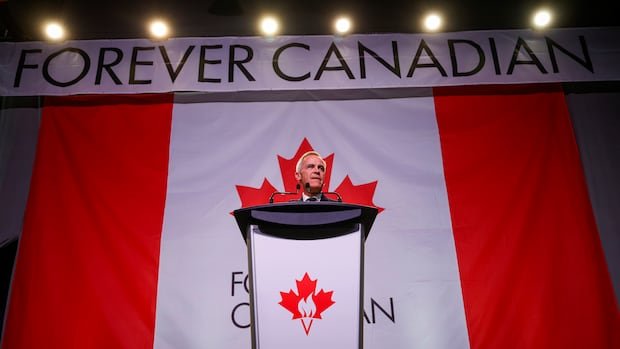

Four days before the upcoming test of Canada’s 159-year-old Confederation, Mark Carney visited Calgary to advocate for its continuation. Emphasizing that Canada is not flawless but continually improving, Carney stated, “Canada isn’t perfect, but we are the best.”
Alberta NDP leader Naheed Nenshi expressed the need for Carney to affirm that “Canada works” during his visit. Nenshi highlighted Alberta’s prosperity, citing its status as the wealthiest province and record oil and gas production.
Alberta’s renowned oil industry, which has benefited from nationwide support and reciprocally contributed to national prosperity, exemplifies the interconnectedness of Canada’s success. Carney, while not explicitly stating Nenshi’s desired words, conveyed a message aligning with the notion that Canada is more than the sum of its parts.
Addressing the ongoing referendum, Carney acknowledged the challenging timing of the vote and stressed the importance of a decisive outcome to settle the unity question. He cautioned against using the referendum as a mere signal to the federal government, emphasizing the gravity of the decision.
The referendum’s result is predicted to heavily favor remaining within Canada, with most polls indicating strong opposition to separation in Alberta. To secure a lasting resolution on Alberta’s sovereignty, a resounding vote against separation is deemed essential by federalist supporters.
In his speech, Carney underscored the collaborative spirit of Canadians beyond provincial boundaries and the historical significance of unity in fostering greatness. Acknowledging past grievances, Carney positioned Alberta at the core of his agenda and Canada’s response to uncertainties, emphasizing the collective effort required for national progress.
Conservative Leader Pierre Poilievre echoed the sentiment, emphasizing the benefits of being part of a larger nation, including increased opportunities for travel, trade, and growth. He emphasized that Canada’s collaborative framework offers greater freedom and openness compared to isolation.
As the referendum approaches, the focus shifts to the aftermath and potential implications of the vote. The margin of victory will be crucial, alongside considerations of other ballot questions covering various issues such as immigration and Senate reform.
Despite concerns raised by Nenshi about the long-term implications of the referendum, a renewed belief in Canada’s efficacy and resilience may bolster federalist efforts in navigating future challenges.