


In a recent Bible study gathering in the Vila Isabel neighborhood of Rio de Janeiro, attendees offered prayers related to faith and God. Regina da Silva Andrade, aged 38, expressed her belief in God’s supremacy over the universe, yet emphasized the responsibility of Brazil’s elected leaders to address the essential needs of the citizens, such as healthcare and education.
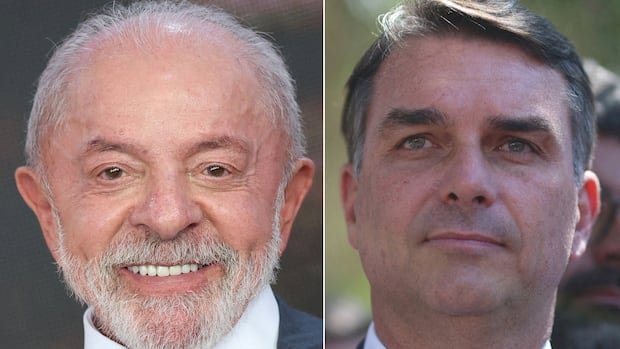
Undecided on her voting choice, Andrade mentioned a leaning towards Flávio Bolsonaro, the 45-year-old son of former Brazilian President Jair Bolsonaro, who was convicted of planning a coup post his defeat in the 2022 election to Luiz Inácio Lula da Silva. Andrade considered Flávio Bolsonaro a preferable candidate to his father, citing his perceived genuine efforts to maintain a balanced approach.
Regarding the ongoing presidential race, Flávio Bolsonaro, focusing on tax reductions, tough stances on crime, and family values, secured a lead of approximately 2.2 million votes over Lula after the initial round of voting on October 4. Recent polls indicate a tightening competition between the two candidates, with Pedro Doria, an editor at MEIO media group in Rio de Janeiro, highlighting the unprecedented closeness of the race, where historical data shows the second-place candidate rarely wins under the current electoral system.
The Brazilian electorate’s polarization is evident, with a significant portion voting against a candidate rather than in favor of their preferred choice. Marsílea Gombata, a researcher at the University of Sao Paulo, pointed out that frustrations over corruption and economic stagnation have swayed voters towards Bolsonaro, despite controversies surrounding both his father and himself.
In light of corruption probes surrounding both candidates, Flávio Bolsonaro faced allegations of corruption during the campaign, while Lula’s son is under a separate investigation. The upcoming election results hold potential implications for Brazil’s relationship with the United States, especially considering the close ties between the Bolsonaro family and the previous U.S. administration.
Voters like Aline Vieira and Carlos Vitor highlighted concerns over social safety nets, potential military involvement, and the risk of escalating divisions within the country based on the election outcome. Ultimately, the election presents a critical juncture for Brazil’s political landscape and its future trajectory.