

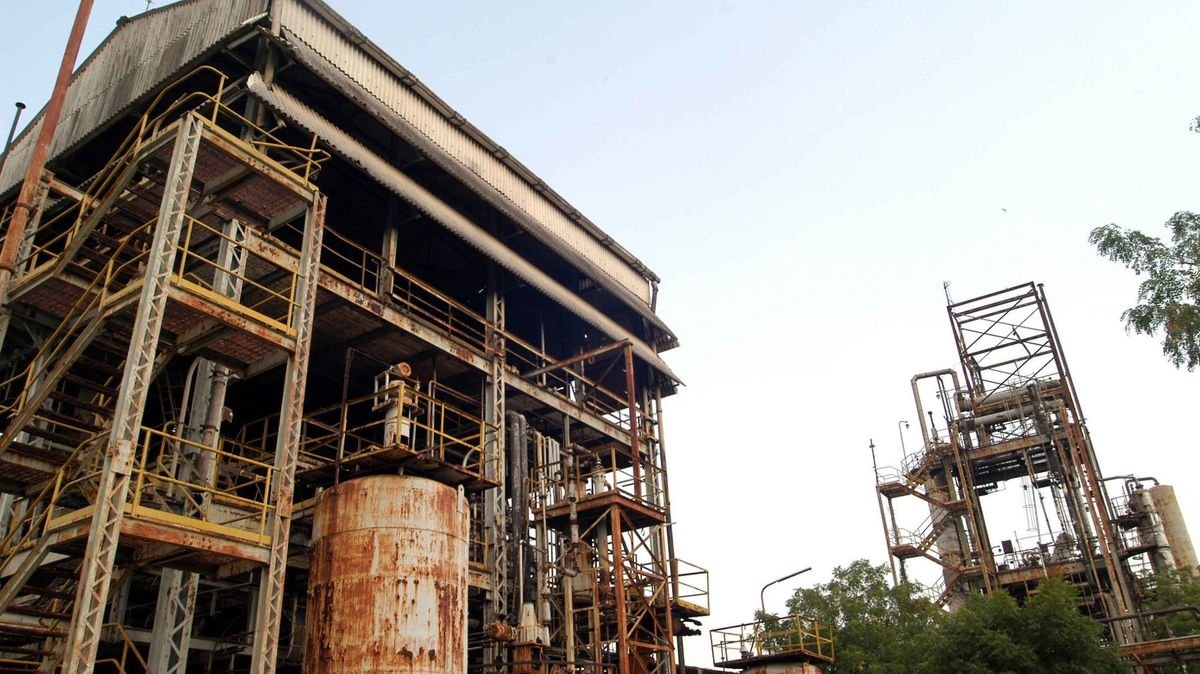

A journalist in Bhopal issued a warning to residents about the imminent danger posed by a nearby volcano. This caution came in the wake of Ashraf Khan’s tragic death due to exposure to a lethal gas leak at the Union Carbide factory. Despite the journalist’s alert, the catastrophic incident that unfolded at the factory two years later marked one of the most severe industrial disasters worldwide.
The calamity occurred when a malfunction at a US-owned pesticide plant released 40 tons of highly toxic gas into a densely populated urban area, resulting in the deaths of thousands of people. The poisonous gas, methyl isocyanate, caused severe health issues such as chest pain, asthma, and skin damage even in small doses.
The gas cloud, resembling a dense fog, swiftly engulfed the city, leading to a high mortality rate among women and children who inhaled the toxic substance at alarming levels due to their shorter stature. Experts estimated that more than 200,000 children and 3,000 pregnant women suffered adverse effects, including immediate miscarriages.
The survivors and their families embarked on a 30-year-long quest for justice following the Bhopal disaster that transpired in the early hours of December 3, 1984. The factory’s history of negligence and prior incidents of leaks and accidents, exacerbated by poor maintenance practices, had already claimed lives before the fatal event.
The catastrophic leak was triggered by water entering a pesticide tank, causing a deadly thermal reaction. Although internal systems had signaled an impending leak, plant managers dismissed the warnings as false alarms, delaying action until after a tea break. When they finally addressed the issue, it was too late, and the toxic gas began leaking into Bhopal due to southeasterly winds.
Despite a public siren sounding the alarm at 12:50 am, factory workers silenced it in adherence to company policy, leading to delayed warnings for residents. The subsequent evacuation efforts were marred by misinformation, with workers falsely reassuring authorities while fleeing the premises.
As the gas continued to spread, many residents succumbed to its effects, unaware of the impending danger. The aftermath of the disaster revealed a grim reality of mass casualties, overwhelmed healthcare facilities, and a legacy of health issues plaguing survivors to this day, including blindness, respiratory problems, cancer, and reproductive complications.
The pursuit of justice saw limited success, as the chairman of the Union Carbide Corporation, Warren Anderson, faced charges of manslaughter but evaded prosecution, sparking ongoing grievances among victims and their advocates. Despite attempts to seek redress through legal channels and settlements, the survivors continue to grapple with the enduring impact of the Bhopal tragedy, with many still facing health challenges linked to the disaster.