


U.S. President Donald Trump has imposed 50 percent tariffs on Canadian exports worth $28 billion following the breakdown of trade discussions between Ottawa and Washington. Prime Minister Mark Carney instructed Canadian negotiators to return home after deeming the American terms unacceptable.
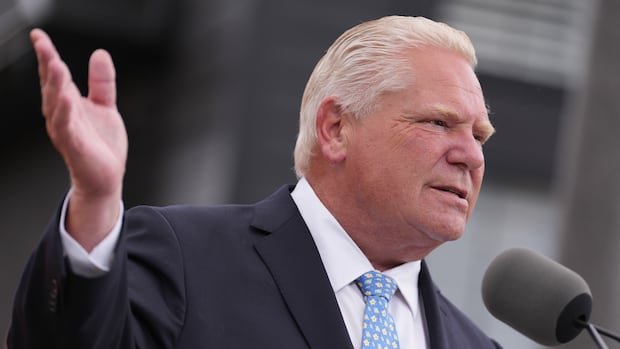
Ontario Premier Doug Ford has been actively opposing the U.S. tariffs and expressed full support for the prime minister’s stance. Ford emphasized the need for a robust response to Trump’s actions, highlighting the intention to reciprocate with equivalent tariffs effective the day after Labor Day.
In response to the escalating trade conflict, Ontario is leveraging various strategies to counter U.S. actions. Notably, the province has removed U.S. liquor from shelves since March 2025, resulting in a significant decline in alcohol exports from the U.S. to Canada.
Furthermore, Ford has raised the possibility of halting electricity exports to the U.S. and imposing surcharges on power sent to states like Michigan, New York, and Minnesota. This move is seen as a pivotal leverage point for Ontario in the trade dispute.
Despite Trump’s aggressive stance, Ford has effectively communicated Ontario’s position through U.S. media platforms. While previous attempts, such as an anti-tariff ad featuring Ronald Reagan, garnered attention, they did not lead to substantial progress in negotiations.
Ford’s proactive engagement with the media and public discourse on the trade war aims to keep the issue in the spotlight, particularly as the U.S. approaches midterm elections. By maintaining a strategic focus on the tariffs, Canada seeks to sway public opinion and influence U.S. policy decisions in the future.