

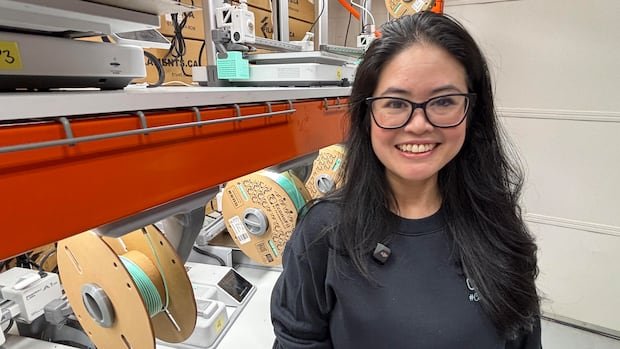

Nicole Albert, a proficient creator of cookie cutters for her business, faces the challenge of dealing with U.S. tariffs amid an intense and rapidly changing trade conflict. Albert is the owner of The Cookiery, a London-based enterprise specializing in custom cookie-cutters produced through 3D print technology and offering various baking tools. While The Cookiery primarily serves small businesses, with 70% of its clientele based in the United States, the imposed tariffs have hindered Albert’s competitiveness with American rivals for U.S. customers.
Initially, Albert’s products were mostly tariff-exempt under the Canada-United States-Mexico Agreement (CUSMA). However, in July, the Trump administration imposed 50% tariffs on additional imported goods, including those previously compliant with CUSMA. Consequently, the increased costs due to tariffs have led to a decline in U.S. sales for The Cookiery. For instance, on a $30 order, tariffs can add up to $20 in extra expenses.
Albert raised prices for U.S. customers by 8% but cannot fully transfer the tariff costs to them. This situation has resulted in a significant drop in U.S. business, with a notable 25% decrease and a continuing downward trend. Beyond the financial impact, Albert highlighted the uncertainty stemming from the volatile trade war environment, causing U.S. customers to be cautious about engaging with Canadian suppliers.
In response to these challenges, mayoral candidate Josh Morgan proposed allocating $60,000 of city funds to establish a tariff response service at city hall. This service aims to provide small- and medium-sized businesses with a dedicated advisor for inquiries regarding tariffs and government relief programs. The initiative, developed in collaboration with local business organizations, seeks to alleviate the financial and administrative burdens posed by tariffs on businesses.
Morgan emphasized that tackling tariffs not only incurs costs but also consumes valuable staff resources. The proposed city funding, while a starting point, is expected to cover only a fraction of the program’s total expenses. Morgan suggested that contributions from various entities, including other business groups and senior government bodies, could help bridge the financial gap and enhance the effectiveness of the tariff response service.
Furthermore, in a separate announcement, Morgan pledged to introduce zoning amendments to permit low-risk home-based bakeries to operate from residences, aligning with provincial measures. This change would specifically benefit home bakers producing non-meat items by eliminating the need to rent commercial kitchen space, provided they comply with public health regulations. The proposed adjustments aim to support local entrepreneurs and streamline regulatory processes, fostering a conducive environment for small-scale food production businesses.