


As the U.S. approaches the upcoming midterm elections, a challenging primary season has deepened the divide between the insurgent progressive and centrist factions within the Democratic Party. The battle for control of Congress this November and the presidency in 2028 hangs in the balance.
Centrists advocate for candidates promoting moderate and practical policies as the key to flipping seats from Republican control. On the other hand, progressives argue that uninspiring establishment candidates will not mobilize a coalition of young individuals, working-class voters, and diverse demographics crucial for the party’s success.
Hans Noel, an associate professor of Government at Georgetown University and co-director of the Georgetown Democracy Initiative, expressed uncertainty regarding which group holds greater appeal. He highlighted that while progressive candidates may alienate some traditional Democratic voters, they could attract new voters, including those who have not previously participated in elections.
Factors like personal likability also play a role, as noted by Noel, making it challenging to predict outcomes with certainty. The primary season has seen victories and defeats for both progressive and centrist candidates in various states, offering valuable lessons for both factions.
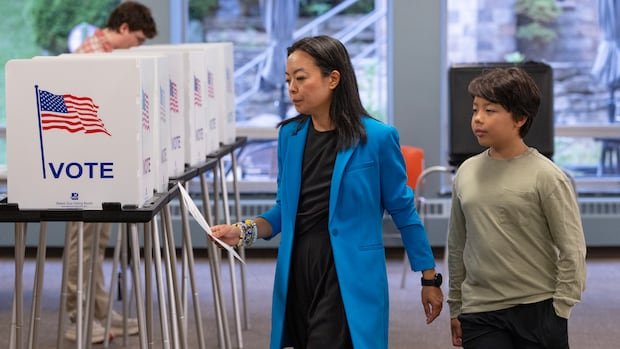
In a recent primary in Wisconsin, moderate candidate David Crowley narrowly defeated self-described Democratic Socialist Francesca Hong, who faced backlash for past controversial statements. Hong’s campaign struggled due to comments advocating for defunding the police and abolishing ICE, as well as her remarks on Thanksgiving. Despite support from prominent progressives like Rep. Alexandria Ocasio-Cortez and Sen. Bernie Sanders, Hong fell short in the primary.
Progressive candidates like Abdul El-Sayed in Michigan have secured victories, emphasizing issues such as medicare for all, campaign finance reform, and progressive foreign policy stances. El-Sayed’s win showcased the appeal of progressive platforms, despite facing significant financial opposition.
The discontent among young voters towards the Democratic Party’s leadership and perceived lack of a clear stance has fueled support for progressive candidates like El-Sayed. While progressives reassess their positions to appeal to a broader electorate, moderate Democrats warn of potential challenges in swing states.
Fareed Zakaria highlighted the need for a balance between progressive passion and moderate appeal to secure victories in general elections. The debate within the party reflects differing strategies to attract voters and achieve electoral success.
As the midterms approach, the Democratic Party faces a critical juncture with the opportunity to capitalize on public sentiment towards the current administration. The outcomes of the elections will determine the party’s future direction and influence its approach towards governance.