

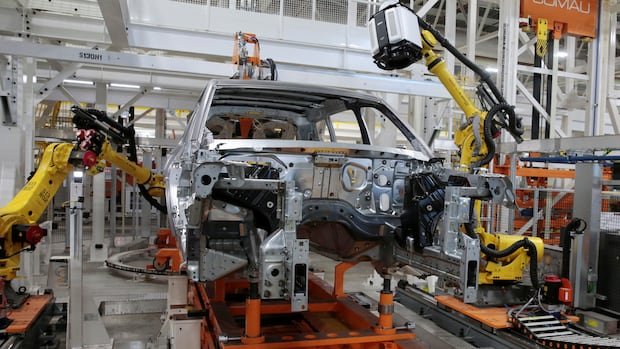

Detroit automakers are set to present arguments to the Trump administration, expressing concerns over the potential financial impact of proposed changes to the North American trade deal. They believe these changes could result in significant losses and hinder their ability to compete with foreign counterparts.
Despite facing challenges from previously imposed tariffs on various imports, including steel, aluminum, car parts, and vehicles from Mexico and Canada, U.S. car companies have expressed unease over additional costs that may arise from new proposals. One contentious issue is the requirement for vehicles to have at least 50% U.S.-made content to qualify for reduced tariffs, which could lead to an estimated annual increase of at least $2 billion for each Detroit automaker.
General Motors anticipates tariffs to cost between $2.5 billion to $3.5 billion this year, potentially impacting over 20% of its operating profit. Ford Motor expects a net tariff impact of around $1 billion for the current year. In response to the administration’s tariffs, Ford has announced plans to shift production of Lincoln models from China to U.S. factories, demonstrating a commitment to domestic manufacturing in light of tariff pressures.
The U.S. Trade Representative’s office has not provided comments on these concerns, although officials have stated that tariff actions aim to stimulate domestic investment and job creation. Efforts are underway to engage in trade talks with Mexican officials, while Canadian trade representatives are working to prevent additional tariffs set to take effect soon.
The American Automotive Policy Council, representing major U.S. automakers, has highlighted disparities in tariffs faced by American automakers compared to their Japanese, South Korean, and European counterparts. Discussions surrounding tariff rates and ensuring a level playing field for U.S. automakers are ongoing.
As discussions progress, automakers are optimistic about the potential for negotiations to address trade challenges and support the production and sale of affordable vehicles within the region. The outcome of these talks will be crucial for all automakers operating in North America, emphasizing the importance of fair trade agreements to support the industry.