

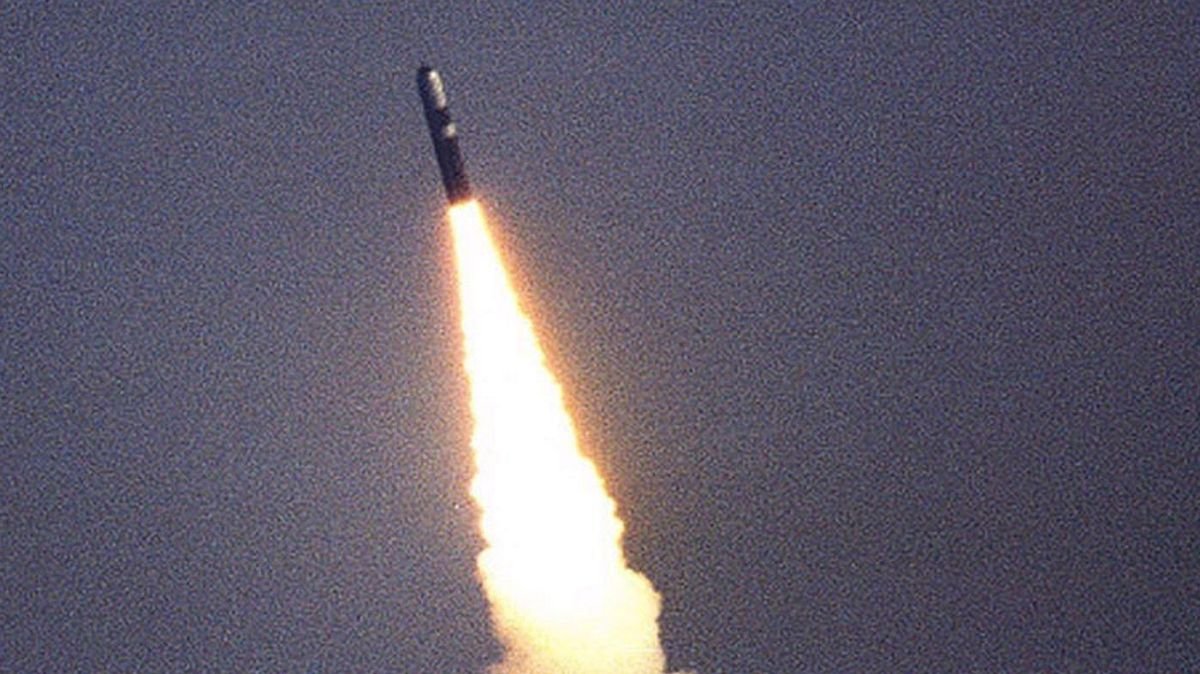

The expiration of the treaty regulating nuclear arms between the United States and Russia signifies a reduction in global protection against the use of atomic weapons. This development comes during a period of heightened tensions between Russia and NATO, exacerbated by the United States’ wavering commitment to the alliance.
The Treaty on Measures for the Further Reduction and Limitation of Strategic Arms, also known as New START, was initially agreed upon by both nations in 2010. While President Putin has expressed willingness to extend the treaty for a year, President Trump has deferred the decision for future consideration.
With Russia and the U.S. possessing 90% of the world’s nuclear weapons, the termination of the agreement poses a significant threat that must be swiftly addressed. The complexity of the agreement has increased over the past 15 years, with the U.S. insisting on Chinese involvement and Russia advocating for the participation of France and the UK in negotiations.
The involvement of various countries supporting conflicting factions in international conflicts, such as the U.S., France, and the UK backing Ukraine against Russia, further complicates the prospects of reaching a new agreement. China’s reluctance to limit its nuclear capabilities adds another layer of complexity to the situation.
The absence of a new agreement raises concerns about a potential escalation in nuclear weapons development, especially as China has rapidly expanded its arsenal in recent years. The termination of the treaty will lead to reduced transparency and predictability regarding nuclear weapons stockpiles and operational readiness.
The lack of verification mechanisms and data exchanges provided by the treaty will contribute to increased uncertainty surrounding the nuclear capabilities of Russia and the U.S., impacting deterrence strategies. The expiration of the agreement underscores the urgent need for renewed efforts to address nuclear arms control and transparency on a global scale.