

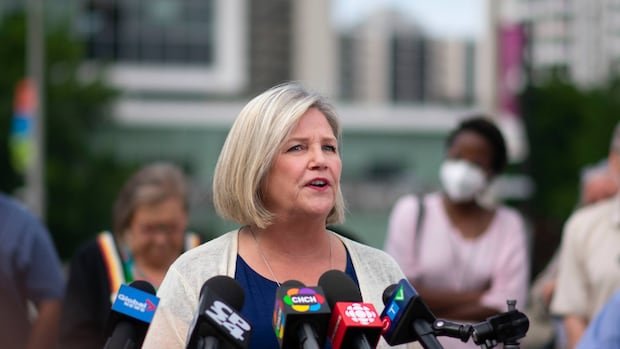

Hamilton Mayor Andrea Horwath has bravely revealed her experience of intimate partner abuse in a recent open letter, expressing her exhaustion of remaining silent and emphasizing the importance of prioritizing safety, establishing boundaries, and speaking the truth when ready. Following criminal harassment charges and a no-contact order, Horwath chose to maintain distance from her former partner, a decision commonly made by survivors of abuse.
The disclosure comes amid ongoing public scrutiny surrounding her property standards issue involving a property owned by Horwath where her ex-partner resides in Hamilton. Despite a request for an extension on property repairs issued to her earlier this year, the city committee recently ruled that they lacked jurisdiction to consider her late appeal. Horwath expressed disappointment in the decision but affirmed her commitment to resolving the property issues and moving forward from this distressing chapter in her life.
While the letter did not delve into specific details of the abuse or relationship, an expert in intimate partner violence commended Horwath’s courage in sharing her story, highlighting the challenges survivors face in speaking out due to fear of disbelief, blame, and stigma. The expert emphasized the various forms of abuse encompassed by IPV, including emotional and physical violence, financial control, and more.
Public figures like Horwath who come forward with their experiences of abuse not only subject themselves to heightened scrutiny but also provide solace and solidarity to other victims, dispelling the notion that abuse ends once a relationship concludes. The importance of raising awareness and fostering a supportive environment for survivors was underscored, acknowledging the prevalence of IPV in society and the urgent need for collective action and understanding.
Horwath’s decision to share her story serves as a reminder of the pervasive nature of intimate partner violence and the imperative to address it with empathy and compassion. The mayor’s message resonates with the broader call for a more responsive and supportive approach towards survivors of abuse, urging a shift in societal attitudes and responses to intimate partner violence.