

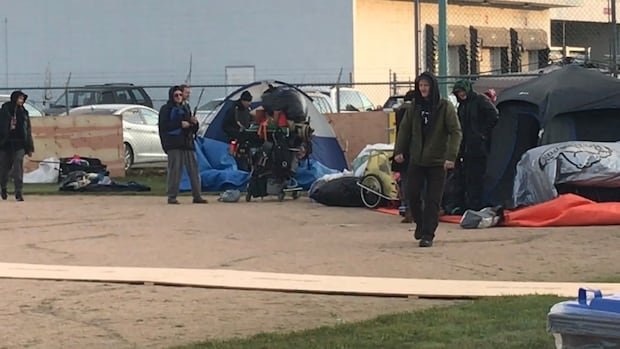

In Kelowna, B.C.’s municipal election, homelessness and public safety have become key focal points. However, individuals experiencing homelessness in the city feel marginalized as many candidates fail to include them in discussions.
One such individual is Samantha, a homeless resident who participated in a recent election forum where mayoral candidates discussed plans for treatment facilities and temporary shelters. Samantha expressed feeling excluded, stating, “We are not represented at all.” To protect her privacy, Samantha’s last name is not disclosed.
During the election debate, incumbent mayor Tom Dyas pledged to advocate for a treatment-centric approach, emphasizing detox beds and compassionate care for those at risk. Ron Cannan, a former MP and current city councillor, committed to establishing new detox treatment beds and second-stage sober housing within his first 100 days in office. Another candidate, Andrew Uitvlugt, proposed relocating homeless individuals to a facility near Kelowna’s landfill.
Samantha expressed disappointment at the lack of involvement of homeless individuals in shaping solutions, emphasizing the need for candidates to challenge their assumptions. Despite her current housing situation, Samantha is registered to vote in the municipal election using her parents’ address.
People experiencing homelessness or lacking a fixed address can still vote in municipal elections by registering with the address of a shelter or community agency where they receive services. They can also sign a declaration confirming their local residence at the polling station if they lack proof of a permanent address.
Samantha hopes that elected officials will prioritize listening to individuals like her and focus on implementing solutions that benefit everyone, rather than just discussing them.
This article is based on insights from CBC’s Daybreak South and Alya Ramadan.