

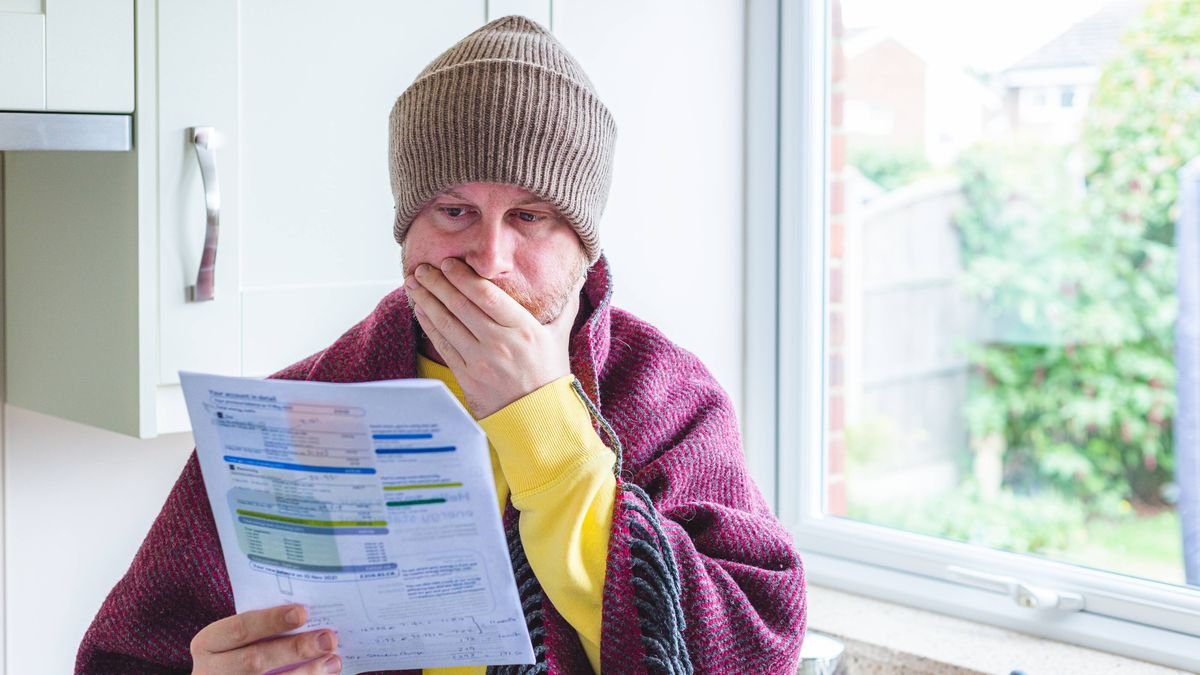

Hopes are rising that the Labour party will lower energy costs for millions of households in the upcoming Budget session. Speculation suggests that Chancellor Rachel Reeves may eliminate VAT on bills, potentially saving each typical customer around £84 annually. Consumer advocate Martin Lewis and others are pushing for a more extensive approach, urging the government to transfer policy expenses from bills to general taxes.
The escalating prices of gas and electricity have exacerbated the financial struggles for many Britons. Ofgem, the regulatory body, has confirmed that the price cap for 34 million energy accounts will increase in January to an average of £1,758 per year. This unexpected rise contradicts earlier expectations of a decrease, and campaigners warn that the January increase will coincide with a surge in household energy usage, as nearly half of all gas consumption occurs in the initial three months of the year.
Furthermore, projections indicate that the price cap is set to climb by a further £57 to an average of £1,815 in April, chiefly due to elevated charges for maintaining and operating the UK’s energy networks. Current average energy bills are nearly £700 higher compared to five years ago.
Ms. Reeves has pledged to prioritize alleviating the financial burdens on households in the Budget discussions. Science Secretary Liz Kendall has hinted at potential government actions, emphasizing the necessity for further measures to reduce the cost of living. She affirmed the government’s commitment to implementing additional strategies aimed at reducing living expenses during the Budget deliberations.
The bulk of the new £1,758 average annual bill is attributed to purchasing gas and electricity (wholesale costs), totaling £690. However, this component has decreased from £720 per year in the last quarter of the present year. Network costs, covering expenditures related to building, repairing, and maintaining energy transportation infrastructure, represent the second-largest portion at £396. Supplier costs amount to £279 annually, with a profit margin increase from £42 to £44 per year.
The main reason for the anticipated rise in January is a £21 annual increment in government policy expenses, now totaling £236, up from £215. These costs encompass various factors such as renewables obligations, the energy company obligation, the Warm Home Discount, feed-in tariffs, and funding for the new Sizewell C nuclear power plant in Suffolk.
Households with minimal gas consumption may face price hikes of approximately 3% to 4% in January, according to financial expert Martin Lewis. He raised concerns regarding the accumulation of policy costs on electricity bills, emphasizing the need to reconsider the current approach to these charges to mitigate future price escalations.
As temperatures plummeted to minus 11.7C in Scotland, Ofgem announced the price cap adjustments, further intensifying concerns about rising energy costs amidst the cold weather. Ms. Kendall reassured the public of the government’s proactive stance in addressing these challenges, highlighting both short-term relief measures and long-term strategies to combat soaring energy bills.
Independent Age, a charitable organization, advocated for an increased Warm Home Discount of £400, along with the implementation of a targeted energy social tariff to aid vulnerable households. Various experts and officials emphasized the urgency of revising energy policies to alleviate financial burdens and ensure sustainable energy solutions for the future.
Despite potential speculation about reducing energy bills through adjustments like VAT removal or levy modifications, experts caution that the costs associated with maintaining energy infrastructure and supporting essential policies must be covered, whether through bills or general taxation. While reshuffling these costs may offer temporary relief, a comprehensive and sustainable solution is essential to address the underlying challenges in the energy sector.
Minister for Energy Consumers Martin McCluskey emphasized the government’s commitment to reducing energy bills through immediate measures and long-term initiatives focused on clean energy solutions. Stakeholders in the energy industry are urging the government to implement measures that effectively reduce bills while ensuring long-lasting benefits for consumers.
Tim Jarvis, Ofgem’s Director General of Markets, acknowledged that despite recent declines in energy prices, many consumers have yet to experience tangible benefits. The ongoing discussions and actions surrounding energy costs underscore the importance of addressing the complexities of the energy market to safeguard consumer interests and promote sustainable energy practices.