


A perennial debate in the world of prestigious dramas revolves around the necessity of introducing another historical drama or adapting yet another Jane Austen novel. Specifically, the question arises: is there a need for another iteration of “Sense and Sensibility”?
For viewers familiar with director Ang Lee’s acclaimed 1995 adaptation of “Sense and Sensibility,” the query may seem pointed. All of Austen’s literary works have found their way onto the screen, and “Sense and Sensibility” alone boasts at least five prior adaptations.
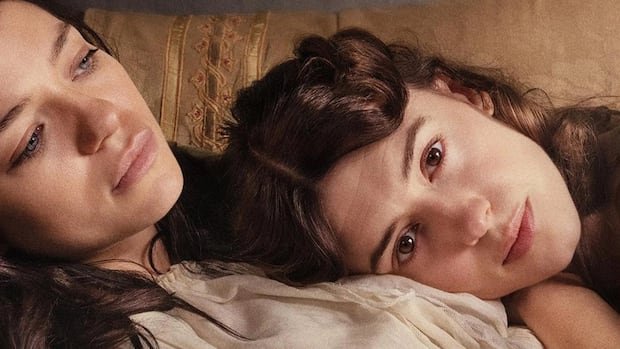
Now, director Georgia Oakley presents her own take on “Sense and Sensibility,” slated for release on October 16. With Daisy Edgar-Jones portraying Elinor Dashwood and Esmé Creed-Miles as her sister Marianne, and penned by Diana Reid, this rendition does not aim to outshine the romantic ambiance of the 1995 film.
Instead, it delves deeper into the profound sisterly bond between the characters and the financial challenges that restrict their choices. After their father’s demise, the Dashwood estate transitions to their half-brother, leaving the women with limited financial security and compelling them to relocate to a more modest abode.
In the era of Austen, women’s prospects heavily relied on the benevolence of male kin or the security of marriage, rendering this sudden loss of status and stability exceptionally precarious. The film’s visual narrative mirrors this shift, transitioning away from the refined elegance of the drawing room to the rugged countryside, amidst natural elements like weather, mud, and untamed fields.
Engaging in activities like gardening, long walks, beach runs, and pond wading, the characters find solace in nature. While Elinor engages in sketching and rock-skipping for peace, Marianne often gazes at clouds while lying in fields.
This raw setting not only amplifies their financial vulnerability but also brings their shared experiences into sharper focus. Elinor’s composure may mask her profound emotions, while Marianne’s openness renders her more susceptible to heartache. Throughout the narrative, circumstances compel each sister to empathize with the other’s viewpoint.
The heart of the story revolves around the relationship between the Dashwood sisters. Edgar-Jones highlighted Oakley and Reid’s emphasis on centralizing the love story around the two siblings. Describing her experience working with Creed-Miles as effortless, Edgar-Jones emphasized the profound understanding she gained of her character through their shared scenes.
Creed-Miles elaborated on their familial and sisterly bond, emphasizing the vital role Edgar-Jones played in navigating the project. The film portrays the sisters as each other’s confidantes, critics, and pillars of support.
The male characters in the new adaptation mark a departure from the established archetypes in the 1995 version by Ang Lee. Herbert Nordrum, portraying Colonel Brandon, focused on portraying the character as awkward and enigmatic, highlighting his internal struggle to express emotions.
In contrast, Frank Dillane, playing John Willoughby, aimed to showcase the character’s softer attributes while letting his questionable deeds speak for themselves. Dillane aimed to depict Willoughby as a multifaceted young man who makes mistakes and experiences love.
While Lee’s rendition exudes grandeur, Oakley’s version adopts a more subdued and grounded approach. Rather than aiming to replace its predecessor, the film seeks to explore the contemporary relevance of Austen’s narratives.
Jenner emphasized the enduring appeal of Austen’s characters, who strive to find happiness without compromising their identities. Reflecting on her daughter’s exposure to Austen’s works at a young age, Jenner noted a growing demand among younger audiences for naturalistic portrayals.
She highlighted a societal yearning for a return to simplicity post-pandemic, manifesting in a visual shift towards naturalistic aesthetics in modern adaptations. Jenner stressed that Austen’s stories transcend specific eras or aesthetics, offering themes of romance, friendship, family, community, and the pursuit of personal fulfillment.
The debate on the necessity of another “Sense and Sensibility” adaptation lingers, with audiences potentially discovering that the enduring appeal of Austen’s tale lies in its timeless quality, inviting fresh interpretations.