

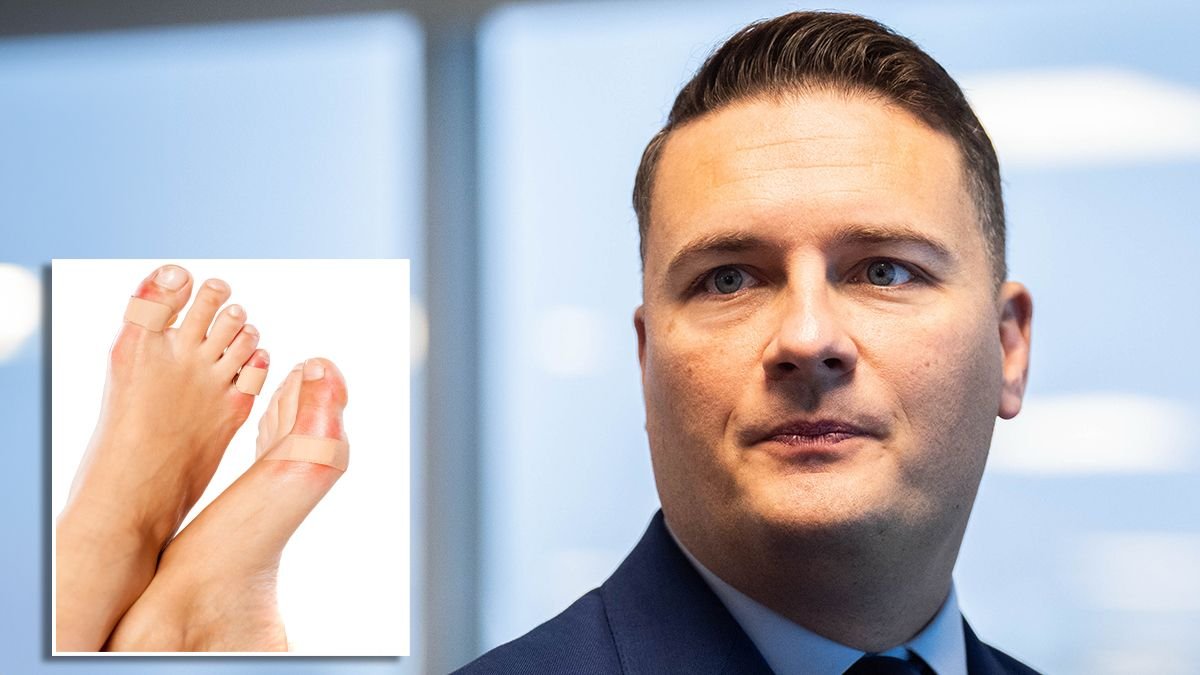

More individuals are visiting emergency rooms for minor health issues such as hiccups and ingrowing toenails, according to recent data released by the NHS. Health Secretary Wes Streeting has urged the public to reserve A&E services for genuine emergencies, as the NHS anticipates a potentially record-breaking winter in terms of patient volume.
NHS National Director of Urgent and Emergency Care, Julian Redhead, emphasized that overcrowded A&E departments are not ideal for patients with minor ailments. The ongoing flu season and potential strikes could further strain hospital capacities, underscoring the importance of seeking appropriate care elsewhere.
Statistics from NHS England reveal a significant number of A&E visits last winter could have been managed outside emergency settings. Instances of patients seeking treatment for issues like blocked noses, sore throats, and earaches surged compared to the previous summer, raising concerns for the upcoming winter season.
Concerns have been raised regarding potential disruptions to healthcare services during the holiday season due to strikes by medical professionals. Streeting condemned the timing of strikes, expressing solidarity with NHS staff facing increased pressures amid rising flu cases.
The NHS highlighted the strain on emergency departments caused by patients seeking treatment for minor conditions that could have been addressed by primary care providers or pharmacists. Despite a notable increase in cases like itchy skin, hiccups, and sore throats, the Royal College of Emergency Medicine attributed the main issue to insufficient social care capacity hindering patient discharges.
Dr. Ian Higginson, President of the Royal College of Emergency Medicine, emphasized the urgent need to address inpatient bed occupancy rates exceeding safe levels. The primary concern remains the lack of capacity for discharging medically fit patients, leading to overcrowded emergency departments and prolonged wait times for critical cases.
Efforts to alleviate these challenges require addressing delayed discharges and enhancing social care capacity, with a focus on ensuring emergency departments can provide timely and effective care to those in need.