

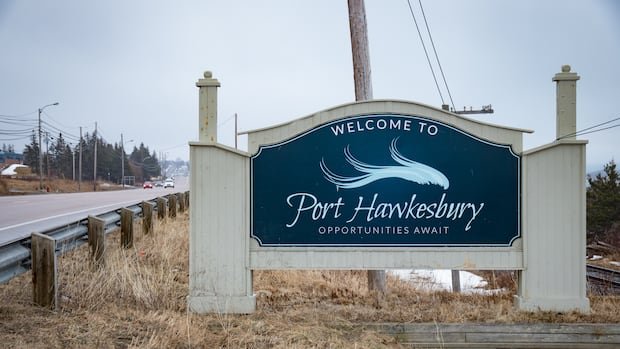

Residents in Port Hawkesbury, Nova Scotia, and the neighboring areas are uncertain about their stance on an upcoming AI data center project proposed for a nearby industrial park. Many locals have raised concerns and are seeking clarifications before forming a definitive opinion.
Recently, EverWind Fuels unveiled plans for the construction of a data center to facilitate artificial intelligence operations for Anthropic, an American software company. The proposed facility is slated to be established in Richmond County’s Point Tupper industrial park next year, adjacent to Port Hawkesbury. Public information sessions are scheduled to commence next month to address community inquiries.
Phillip Landriault, a resident of Port Hawkesbury, highlighted environmental apprehensions among him and his acquaintances regarding the data center project. He expressed the need for more comprehensive information from the company to address public concerns.
Similarly, Jack Ronalds, another Port Hawkesbury resident, emphasized the necessity for factual data before forming an opinion on the project. He stressed the importance of transparency and detailed information to assess the potential benefits and impacts of the data center development.
Donna Babin from River Bourgeois, Richmond County, shared mixed feelings about the project, citing concerns about water and electricity usage. She acknowledged the project’s potential benefits in terms of job creation but underscored the need for a balanced evaluation of its pros and cons.
EverWind has outlined plans to power the data center using onshore wind energy from forthcoming wind farms, although initial power supply will be sourced from the provincial grid. The company assured that the data center’s power usage will not burden other energy consumers. Additionally, water consumption will be managed through a closed-loop cooling system, with minimal impact on the local water supply.
Construction of the data center is projected to generate employment opportunities, with 2,000 jobs during the construction phase and over 200 permanent positions once operational. The economic impact and job quality are crucial factors that residents like Landriault are keen to explore further.
In response to the lack of public information, Benjamin Lauzon, a local worker, is organizing protests to demand transparency and a more inclusive community engagement process. Lauzon and others are advocating for enhanced public disclosure and involvement in the decision-making process regarding the data center development.
While EverWind has committed to adhering to federal and provincial regulations during the project’s execution, concerns persist among residents and opposition groups. Calls for legislative debate and enforceable guidelines have been made, emphasizing the need for accountability and transparency in the data center project implementation.