

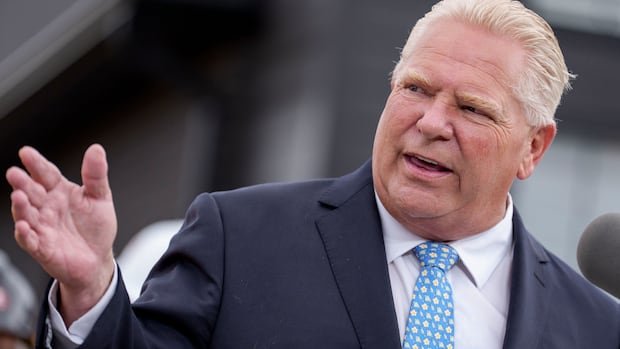

Premier Doug Ford made adjustments to his cabinet this week, with political analysts attributing the move to his recent byelection victories and the need to maintain party relations. Despite speculation of a major overhaul, Ford’s shuffle is seen as a strategic realignment rather than a complete overhaul, indicating his satisfaction with the government’s course, despite facing challenges earlier in the year.
Ford, acknowledging the difficulty in selecting cabinet members, noted that the decision was carefully considered. The shuffle involved moving nine out of 37 ministers to bring in a “fresh outlook” for certain ministries. This move follows Ford’s victories in recent byelections, signaling a need for a pragmatic adjustment rather than extensive changes, according to Conservative strategist Sam Duncan.
Although Ford weathered controversies in the past, recent polling data showed an uptick in his personal approval ratings following a spat with U.S. President Donald Trump. The shuffle, which retained key portfolios like health and finance unchanged, aimed to position Ontario strategically in the face of ongoing challenges, with Kinga Surma taking over at Treasury Board. However, the decision to retain embattled minister David Piccini in a significant role was viewed as a risk by some, given ongoing investigations into his actions.
Critics questioned the size of Ford’s cabinet, suggesting that its expansion contradicted his initial pledge of leaner governance. The large number of ministers was seen as potentially hindering effective decision-making during times of crisis. Despite differing opinions on the shuffle, it highlighted the internal dynamics and balancing act Ford faced in maintaining party cohesion and individual ambitions within his team.