

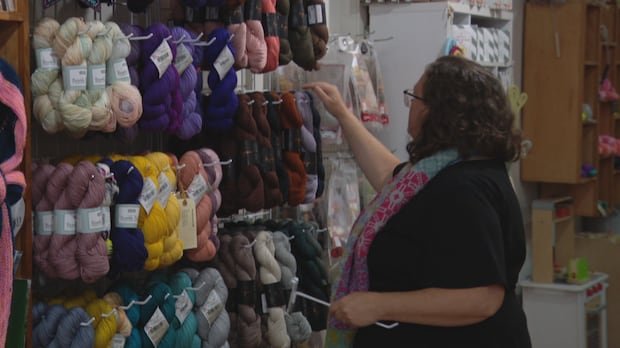

In British Columbia, as of October 1, the exemption for provincial sales tax (PST) on textiles and tailoring services has been lifted. This change means that the cost of repairing clothes and purchasing materials for clothing repairs or creation has increased by seven percent. Small businesses, like AWL Together Leather in East Vancouver, are feeling the impact of this tax hike, both financially and in terms of sustainability.
The taxable items now include textile materials such as yarn, natural fibers, synthetic thread, most fabrics, and clothing patterns, as well as repair and alteration services like tailoring and cobbling. These materials and services were previously considered essential but are now categorized as less commonly used, according to the province’s 2026 budget.
Ariss Grutter, co-owner of AWL Together Leather, emphasizes the crucial role that tailors and cobblers play in preventing clothing from ending up in landfills. Grutter highlights the challenge of recycling shoes due to their diverse materials, making repair shops vital recycling centers. Encouraging customers to repair items rather than buying new ones is essential for sustainability, Grutter suggests.
The tax change was part of the province’s 2026 budget, which also included the addition of PST on certain professional services. Premier David Eby recently announced a pause on expanding PST to professional services, excluding textiles, causing frustration among small business owners like Paula Lindner, owner of Baaad Anna’s Yarn Store. Lindner expresses disappointment in being overlooked, given the store’s 17-year history of selling yarn in East Vancouver without PST.
Lindner believes that the additional revenue generated from taxing these products will have a minimal impact on the province’s budget but will significantly affect fiber artists. She anticipates that the tax change may lead to more mindful and smaller-scale shopping, potentially resulting in reduced sales for small businesses.
Despite inquiries, the Ministry of Finance did not provide comments to CBC News during the election campaign period, citing limited communication on non-essential matters.